

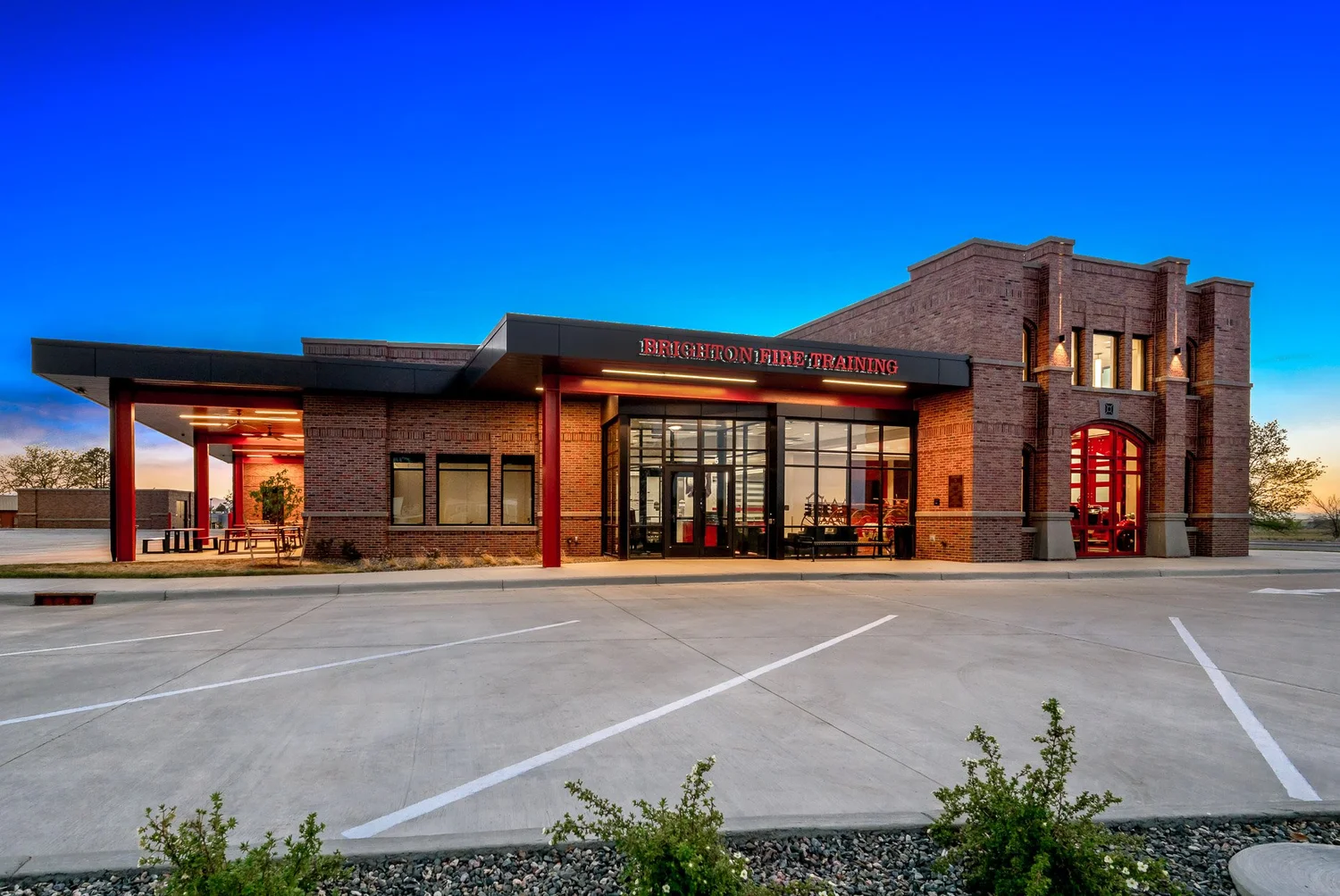
Sports & Recreation Facility Roofing work in San Diego starts with roof condition, access, drainage, existing assembly, occupant impact, and whether repair, restoration, maintenance, or replacement is the practical next step.
Request a quoteSports & Recreation Facility Roofing in San Diego, CA, commercial roofing for sports & recreation facility roofing properties.
Recreation buildings are defined by what is not underneath them: columns. A gymnasium, an indoor sports arena, an aquatic hall, all of them need a long, clear span so play has room, and that single requirement drives most of the roofing challenge. San Diego is full of these buildings, from the city's recreation centers and the County's park-district gyms to the YMCAs, the indoor soccer and volleyball complexes out in Miramar and Kearny Mesa, and the aquatic centers serving communities from Chula Vista to North County. They run on evening, weekend, and holiday schedules, exactly when a lot of contractors would rather not be on a roof, and that timing is part of what we plan around from the first walk.
The long span is the first technical reality. A clear-span gym or arena deck flexes under wind and carries its uplift loads differently than a short-bay commercial roof, much like a movie-theater deck does, and the fastener pattern has to be calculated to the actual deck type and span. Steel deck at an eighty-foot span needs different pull-out math than the same deck at thirty feet, and we provide the structural deck evaluation and fastener specification as part of the scope rather than carrying a generic assembly across a building it was never sized for.
Add a pool and the difficulty jumps. Athletic occupancy, locker rooms, and especially natatoriums push a heavy moisture load up into the roof, and if the vapor retarder sits in the wrong position for San Diego's coastal climate zone, that vapor condenses inside the assembly and degrades the insulation from below. We run a moisture survey and review the existing vapor strategy before finalizing any scope on an aquatic or high-humidity building, because recovering over a wet or misspecified assembly compounds the problem instead of solving it. The vapor-control layer gets specified to the facility's real operating conditions and local climate data, not a template borrowed from a dry-climate project.
Natatoriums are the most demanding roofing environment in this category. Chlorine reacting with organic matter swimmers bring into the water releases chloramine gas, which is aggressively corrosive to ordinary metal flashing, aluminum edge metal, and some membrane adhesive formulations. For pool halls we specify stainless steel or copper flashing in the chloramine-exposed areas, confirm membrane compatibility against the manufacturer's chemical-resistance data, and use adhesives tested for pool environments, and we want the ventilation exhausting toward the exterior rather than recirculating above the pool envelope. A standard roofing specification simply does not belong over a natatorium.
These facilities are busiest when most buildings are empty. Leagues, lessons, and open-gym hours fill the evenings and weekends, so we schedule against the programming calendar facility management provides: gym and arena roof work concentrated in weekday daytime hours, the work area dried in before evening programming starts, and any HVAC or exhaust-penetration work on an aquatic building coordinated with the pool-operations team so air exchange above the hall is not compromised while members are in the water.
How the work gets contracted depends on who owns the building. City recreation centers, park-district facilities, and school gymnasiums in San Diego run through public bid advertising, bid and performance-payment bonding, and prevailing-wage compliance where it applies, and we carry the bonds and insurance required for public work in California along with the documentation experience those contracts demand. Private clubs and sports-entertainment venues take a different procurement path but bring equally tight scheduling driven by membership programs and event calendars. We have navigated both across the region.
Interior vapor drive from natatoriums and high-humidity athletic spaces needs a vapor retarder positioned correctly for San Diego's coastal climate zone. We review the existing insulation and vapor strategy and run a moisture survey before finalizing a reroof scope, recovering over a wet or misspecified assembly compounds the moisture problem rather than solving it.
Chloramine gas corrodes standard metal flashing, aluminum edge metal, and some membrane adhesives. For pool halls we specify stainless steel or copper flashing in exposed areas, confirm membrane compatibility against the manufacturer's chemical-resistance data, and use adhesives tested for pool environments. Standard roofing specifications are not appropriate over a natatorium.
We work to the programming calendar from facility management. Gym and arena roof work is concentrated in weekday daytime hours with daily dry-in confirmed before evening programming begins, and on aquatic buildings we coordinate any exhaust-penetration work with the pool-operations team so air exchange above the hall is not disrupted.
Yes. Public procurement for San Diego city recreation centers, park-district facilities, and school gymnasiums involves bid advertising, bid and performance-payment bonds, and prevailing-wage compliance where applicable. We carry the required bonds and insurance for public work in California and have experience with municipal contract documentation.
Long-span gym roofs typically use sixty- or eighty-mil TPO mechanically attached over polyiso. The attachment has to be specified to the actual deck and span, steel deck at eighty feet needs different fastener pull-out calculations than the same deck at thirty feet, so we provide the deck evaluation and fastener specification as part of every long-span scope.
Sports & Recreation Facility Roofing needs a roof scope that respects access, interior protection, rooftop equipment, drainage paths, and work-hour limits for that facility type.
Start a Request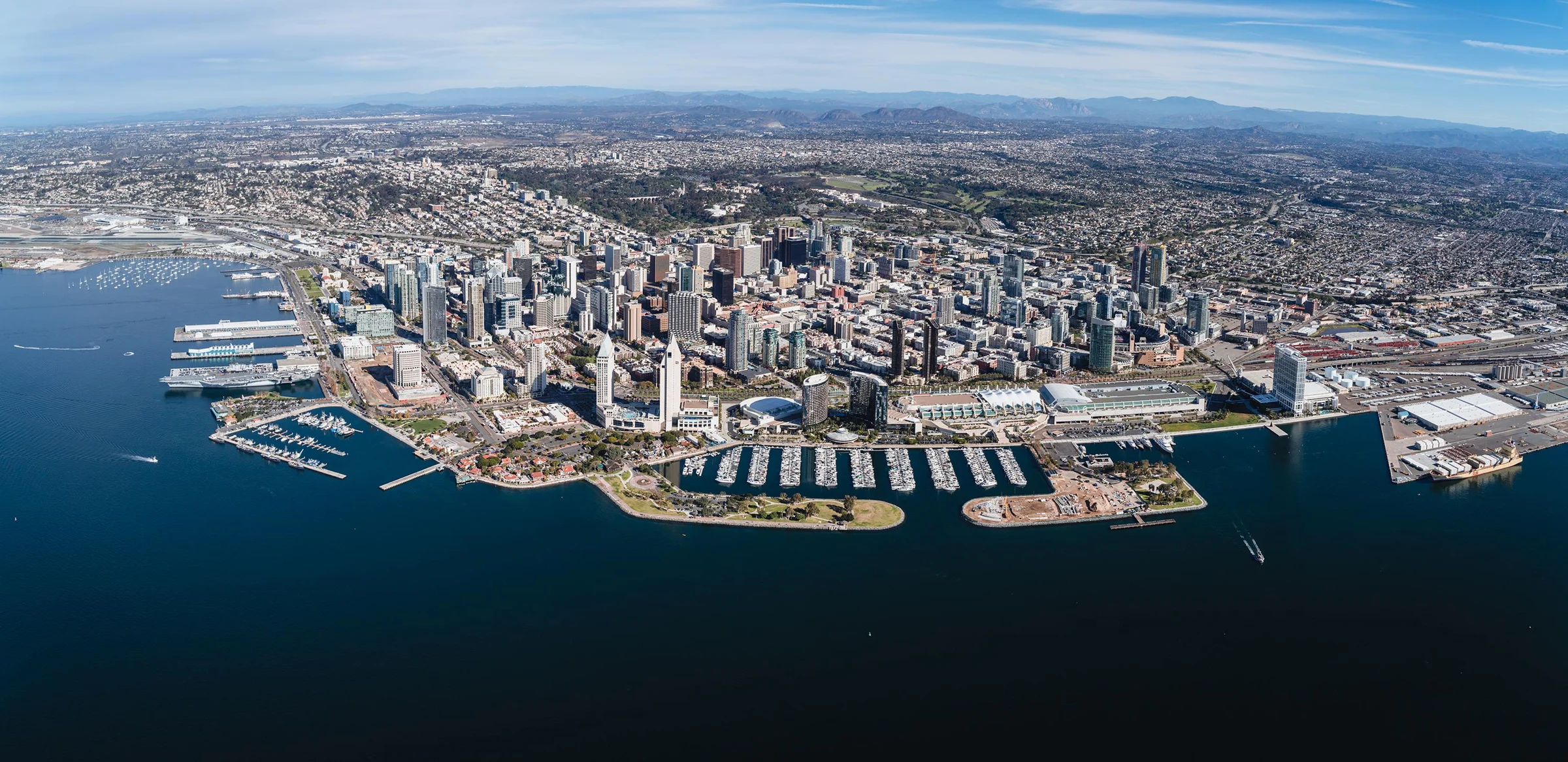
A practical roof scope tells the owner what is urgent, what can wait, what needs testing, and which details change the budget.
San Diego roof work should account for marine air, reflective roof requirements, tenant operations, drainage, and rooftop service traffic.
Photos tied to roof areas, drains, penetrations, and sheet metal
Repair, coating, recover, replacement, and maintenance paths separated
Access, staging, tenant notices, work hours, and daily dry-in reviewed