

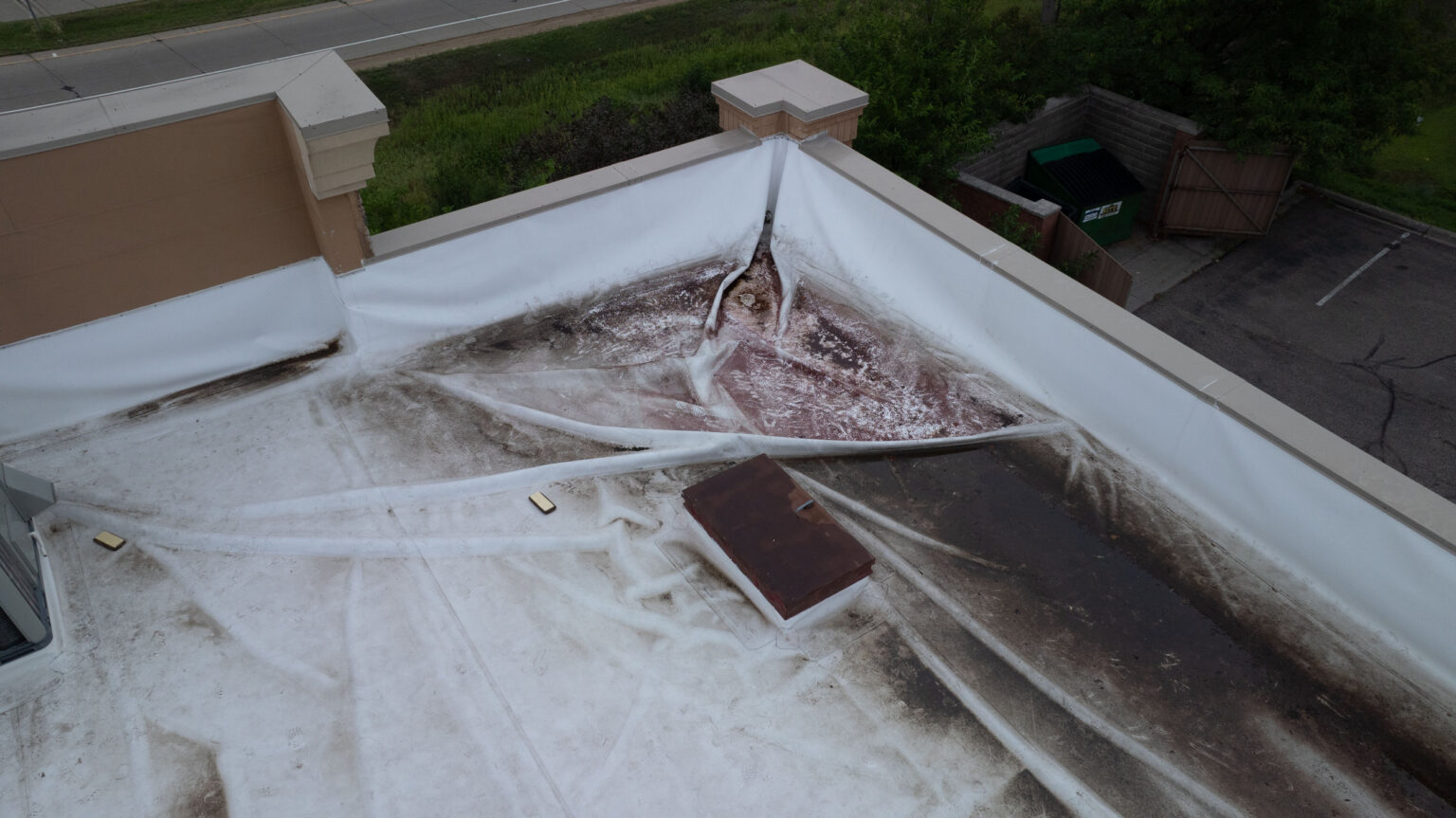
Ongoing photo, measurement, and moisture documentation for San Diego commercial roofs moving through an active insurance claim, from first damage report through closeout.
Request a quoteInsurance documentation support is the ongoing side of a commercial roof claim, the photo record, moisture readings, and condition notes that back up a claim from the day damage is first reported through final closeout, whether the claim runs smoothly or gets disputed along the way.
This is different from a one-time inspection. A claim can stay open for weeks or months, especially on a larger property, and the roof condition, temporary repairs, and any additional damage found during tear-off all need to be documented as the project moves rather than reconstructed from memory afterward.
Owners who keep a baseline roof condition record, photos and notes from a routine inspection or maintenance visit before any storm, have an easier time proving what changed after a covered event. We can build or update that baseline record during a preventive maintenance visit so it is ready if a claim ever becomes necessary.
Without a pre-loss baseline, we work from the roof's visible wear pattern, prior repair history where it is documented, and manufacturer or installation records if they exist, to help distinguish storm-caused damage from ordinary aging.
Once a claim is open, we track the roof through each stage: initial damage photos and measurements, moisture survey results, any temporary dry-in or tarping put in place to stop further water intrusion, and, if repair or replacement is approved, photos of the tear-off that show deck condition, insulation moisture, and any additional damage found once the old roofing comes off. That last step matters: hidden damage under an intact-looking membrane is common, and a claim adjusted only on the visible surface condition can fall short of the real repair cost.
For Otay Mesa and East Otay Mesa logistics buildings, documentation often needs to cover large roof areas efficiently, we use drone photography alongside ground-level detail shots so a 100,000-square-foot roof can be documented thoroughly without extending the timeline. For Sorrento Valley and Kearny Mesa office and lab buildings, documentation has to account for rooftop mechanical equipment, penthouses, and exhaust systems that can mask or complicate storm damage assessment. For port-adjacent industrial buildings near Barrio Logan, the National City Marine Terminal, and the Tenth Avenue Marine Terminal, we document salt-air corrosion patterns separately from acute storm or vibration-related damage.
Some owners retain a public adjuster to represent them in negotiations with the carrier. When that is the case, we provide the roof-specific technical documentation and scope information the public adjuster needs, while they handle the negotiation and claim strategy. We stay in the contractor role, inspecting, documenting, and pricing the roof work, regardless of who else is involved in the claim.
When repair or replacement work wraps up, we document the completed work, membrane laps, flashing details, drains, warranty paperwork, and photos of the finished roof, so there is a clear record that the approved scope was completed as specified. That record also becomes the new baseline for the roof going forward.
It is the ongoing photo, measurement, and condition record we build for a roof through the life of an insurance claim, from initial damage documentation through tear-off findings and final closeout, so the claim file stays accurate at every stage.
Yes, in a supporting role. We provide the roof-specific technical documentation and repair scope your public adjuster needs to negotiate the claim; we do not negotiate the claim ourselves or represent you to the carrier.
Yes. Hidden deck or insulation damage is common once old roofing is removed, and we photograph and measure it as it is found so the claim can be updated to reflect the roof's actual condition after the covering comes off, in addition to what was visible before work started.
It can help. A dated pre-loss condition record makes it easier to show what changed after a specific storm event, especially on older roofs where distinguishing new damage from existing wear can otherwise be difficult.
For large logistics and industrial roofs in areas like Otay Mesa, we combine drone photography with targeted ground-level detail shots so the full roof area is documented without slowing down the claim timeline.
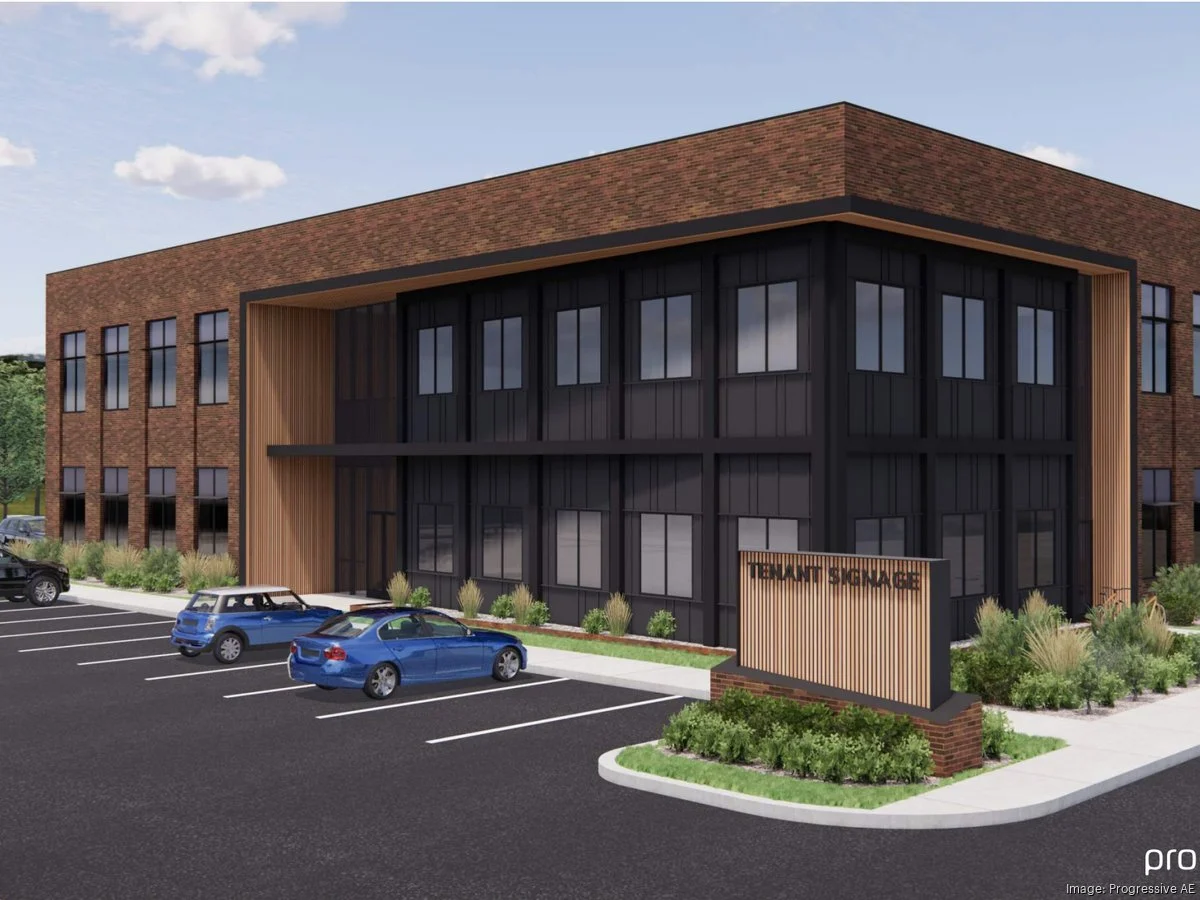
We document damage, temporary repairs, tear-off findings, and completed work so the claim record stays accurate at every stage, from Otay Mesa logistics roofs to coastal industrial sites.
Start a Request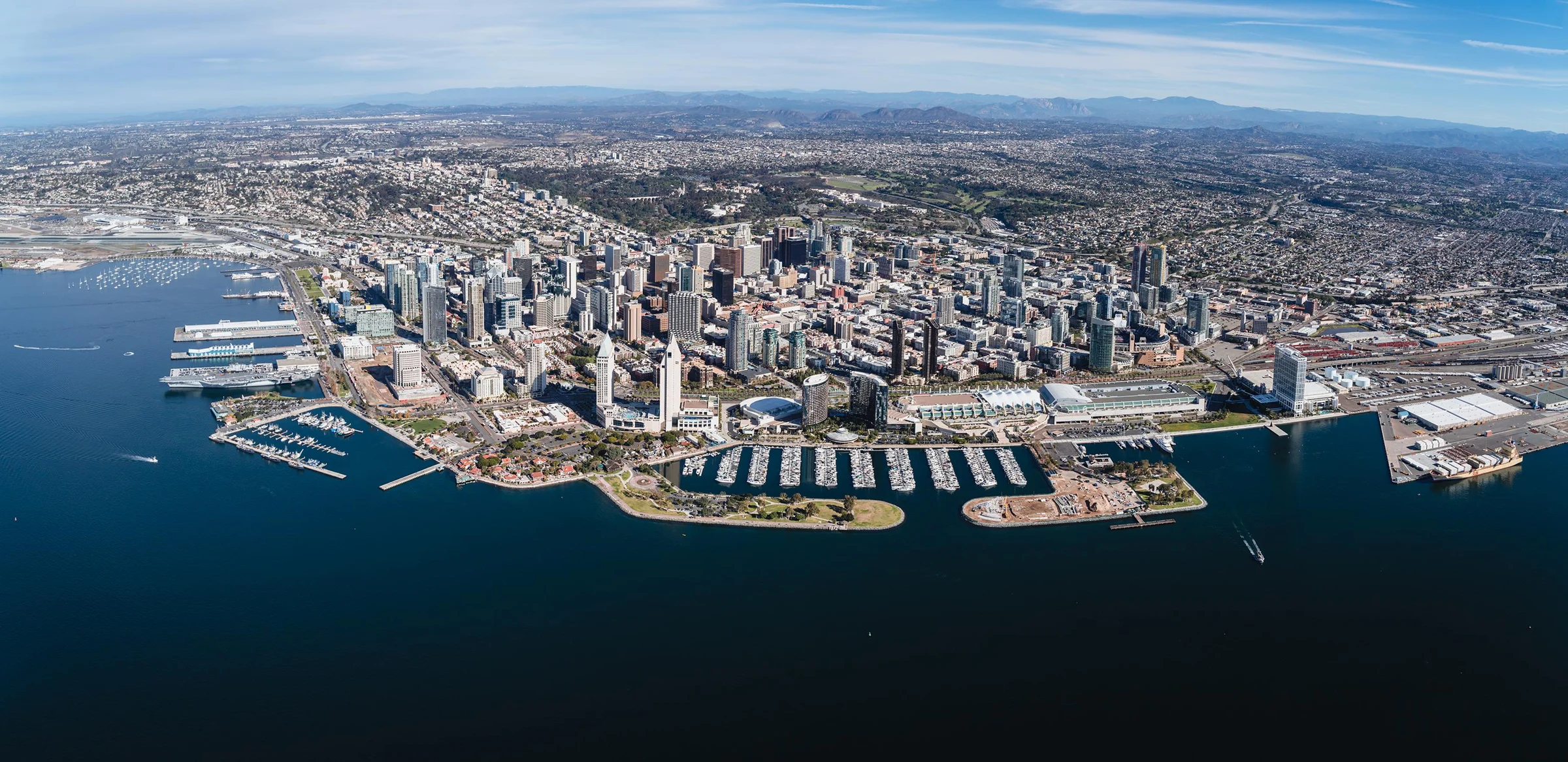
A claim file that only covers the first inspection often misses damage found later during tear-off.
Large Otay Mesa and East Otay Mesa logistics roofs are documented efficiently with drone photography paired with ground-level detail shots.
Documentation through every stage of an open claim
Support for your public adjuster or insurance adjuster
A closeout record that becomes your new roof baseline