

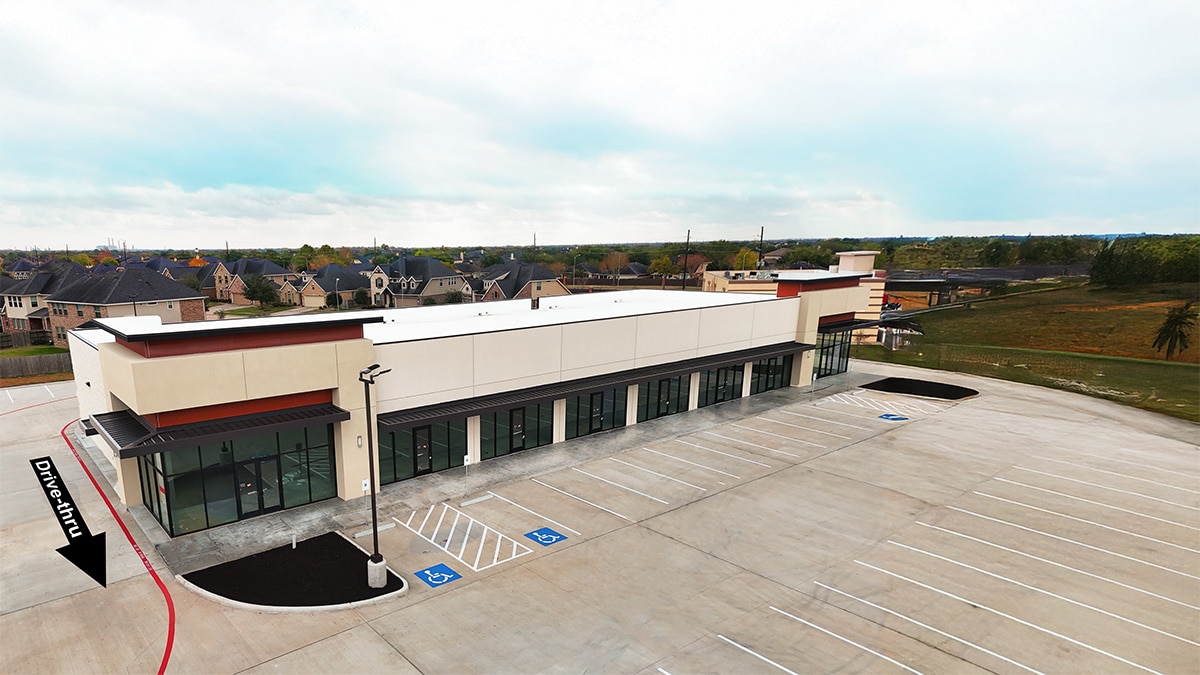
Retail and Shopping Center Roofing work in San Diego starts with roof condition, access, drainage, existing assembly, occupant impact, and whether repair, restoration, maintenance, or replacement is the practical next step.
Request a quoteCommercial roof scope, inspection, access planning, and documentation for acrylic roof coatings.
San Diego's retail landscape is defined by the region's geographic diversity, from the dense urban retail along Mission Valley's Hotel Circle corridor and the Fashion Valley complex to the suburban strip centers in El Cajon, Santee, and Chula Vista, and the coastal retail markets in Encinitas, La Jolla, and Pacific Beach. What makes roofing in this market genuinely distinct from most of California is the range of microclimates compressed into a relatively small geographic area. A strip center in El Cajon sits in a hot inland valley that reaches 95°F in summer. A retail building in Ocean Beach is three miles from the ocean and deals with marine layer, salt air corrosion, and moderate temperatures year-round. A property in Alpine faces winter ice and the occasional significant snowfall. One region, three very different roofing requirements.
TPO roofing is the standard specification across San Diego's retail market, though the specific installation details should vary by microclimate zone. Inland retail properties in the East County, Santee, El Cajon, and the Grossmont area, benefit most from TPO's reflective surface because of the intense summer heat those areas experience. Coastal properties from Mission Beach north to Del Mar are more concerned with wind uplift and salt air resistance, where PVC membrane systems offer some advantages in terms of chemical resistance to salt-laden air. The consultant and contractor who treats all San Diego retail properties as if they occupy the same climate is not providing the region's diverse retail stock with the most appropriate service.
Santa Ana wind events affect San Diego's retail properties with the same urgency they create in Riverside and Los Angeles, but with an additional wildfire overlay that complicates roofing decisions. During major Santa Ana events, particularly in October and November, the combination of high winds, low humidity, and fire activity in surrounding hills creates an environment where roofing work with open membrane conditions or hot-work processes may need to be suspended. More practically, the wind uplift loads during major Santa Ana events require edge metal systems that are genuinely engineered for the exposure, not minimally compliant installations that hold up under normal conditions but fail when the Santa Anas arrive.
HVAC penetration management on San Diego retail properties has a salt air dimension for coastal locations that inland properties don't share. Sheet metal curb flashings at rooftop HVAC equipment locations in Mission Valley, Pacific Beach, and coastal North County communities corrode faster than in inland locations because of the marine environment's salt and moisture load. Annual inspection of curb flashing metal condition, looking for corrosion that has compromised fastener pull-out resistance or created gaps at the flashing-to-membrane joint, is a maintenance activity that coastal retail property managers should have on a regular calendar. Replacing corroded curb flashing during a re-roofing project is far less expensive than addressing it as an emergency repair after a marine layer event infiltrates a corroded penetration.
Retail tenant disruption in San Diego's market requires sensitivity to the coastal communities' strong independent business culture. The business owners along Garnet Avenue in Pacific Beach, the retailers in the North Park and South Park commercial corridors, and the mixed retail in Little Italy operate businesses that are deeply connected to their neighborhoods and their regular customer relationships. Disruption to the exterior appearance of their storefront, debris on the sidewalk, staging equipment blocking visibility, construction noise during peak hours, affects these businesses in ways that matter personally to the operators. Contractors in this market who invest in keeping retail environments clean and minimally disrupted build strong reputations that generate consistent referrals from property managers across the region.
Mission Valley's retail corridor, which includes Fashion Valley, Mission Valley Center, and the surrounding pad-site and strip development along Camino del Rio North and South, is one of the highest-density retail areas in Southern California. The concentration of national anchor tenants in this corridor means that roofing projects on Mission Valley retail properties involve extensive lease review, tenant notice procedures, and coordination with national tenant facilities departments. Target, Nordstrom Rack, the major grocery operators, and the home goods retailers common to this corridor all have detailed rooftop standards. A contractor who walks onto a Mission Valley re-roofing project without having reviewed the relevant lease exhibits and coordinated with tenant facilities is setting up a conflict that will slow the project and potentially trigger lease default notices.
CAM budget management in San Diego reflects California's demanding commercial leasing environment. San Diego retail tenants, particularly those in higher-rent coastal and urban locations, are sophisticated about CAM audits and frequently retain consultants to review annual reconciliations. Roofing-related CAM charges attract particular scrutiny because they involve large dollar amounts and the distinction between recoverable maintenance and non-recoverable capital improvements can be genuinely ambiguous under lease language. San Diego retail landlords who maintain meticulous documentation of all roofing activity, inspection reports, maintenance work orders, contractor invoices, and a clearly maintained roof asset register, are best positioned to defend CAM entries and to demonstrate the value of their maintenance program to prospective tenants during lease renewal negotiations.
The marine layer that settles over coastal San Diego communities during the spring and early summer creates conditions that inland and desert markets never encounter, persistent high humidity at moderate temperatures that keeps rooftop surfaces damp for extended periods and accelerates biological growth on membranes that retain organic debris. Algae discoloration on TPO surfaces in Pacific Beach, OB, and the coastal North County communities signals moisture retention conditions that should be addressed through regular debris removal and biocide treatment. More practically, the marine layer's impact on adhesive cure times needs to be understood by any contractor working on coastal San Diego retail properties, installation specifications designed for dry conditions may need adjustment when relative humidity is running at 80 percent through June and July.
Commercial roofing contractors serving San Diego's diverse retail market should be evaluated on their understanding of the region's microclimate variability, not just their general commercial credentials. A contractor experienced primarily with inland warehouse and industrial properties may not understand the salt air corrosion issues affecting coastal retail, and a residential reroofing operation that occasionally pursues commercial work is not equipped for the tenant coordination demands of an occupied multi-tenant retail strip. References from property managers who have worked with the contractor on retail projects across different San Diego microclimate zones, coastal, inland valley, and transitional areas, provide the most relevant basis for evaluating fit.
Retail and Shopping Center Roofing is scoped around coastal metal exposure, San Diego access limits, rooftop equipment, tenant protection, drainage, and what the owner needs to decide next.
Start a Request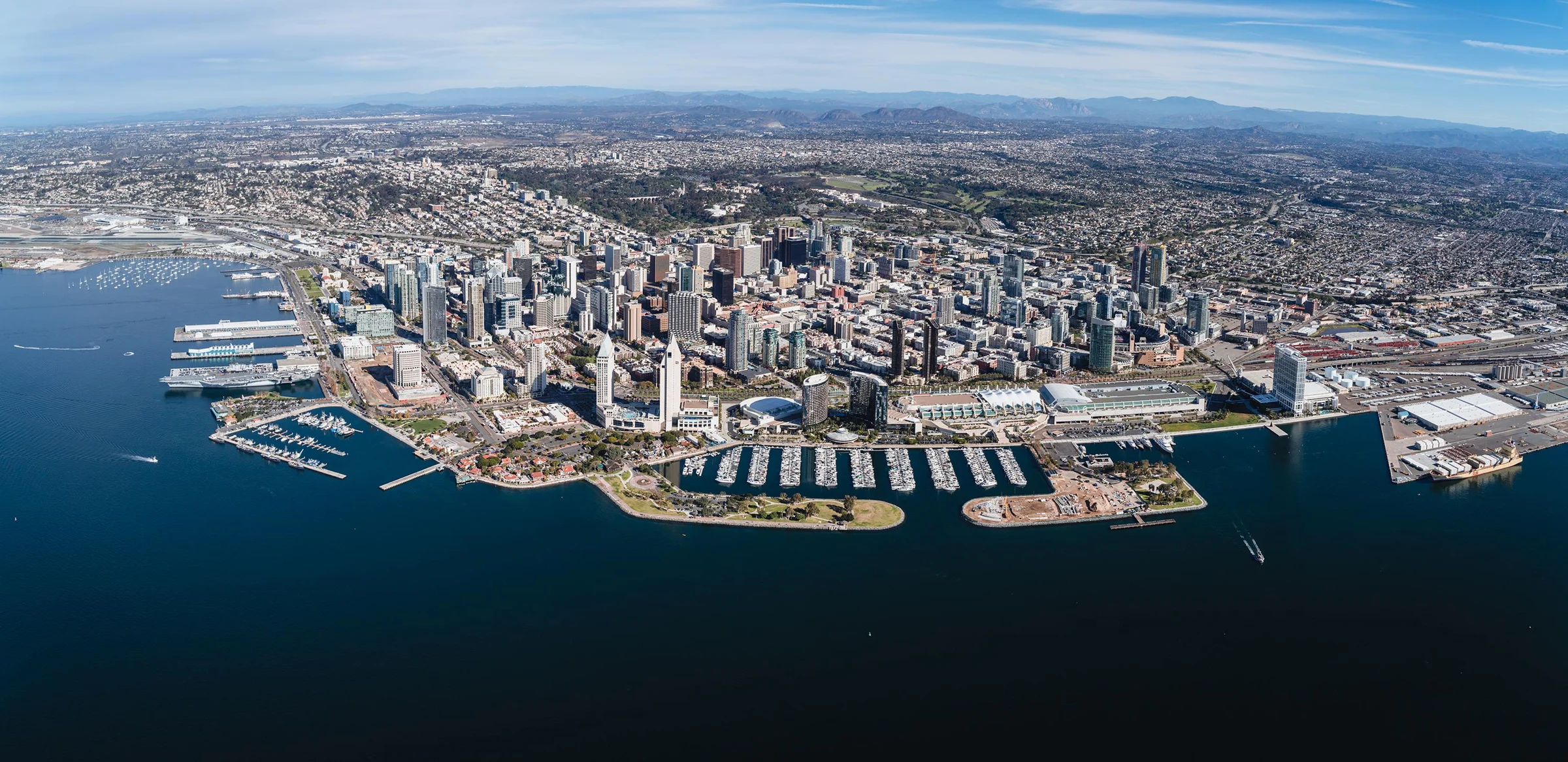
A practical roof scope tells the owner what is urgent, what can wait, what needs testing, and which details change the budget.
San Diego roof work should account for marine air, reflective roof requirements, tenant operations, drainage, and rooftop service traffic.
Photos tied to roof areas, drains, penetrations, and sheet metal
Repair, coating, recover, replacement, and maintenance paths separated
Access, staging, tenant notices, work hours, and daily dry-in reviewed