

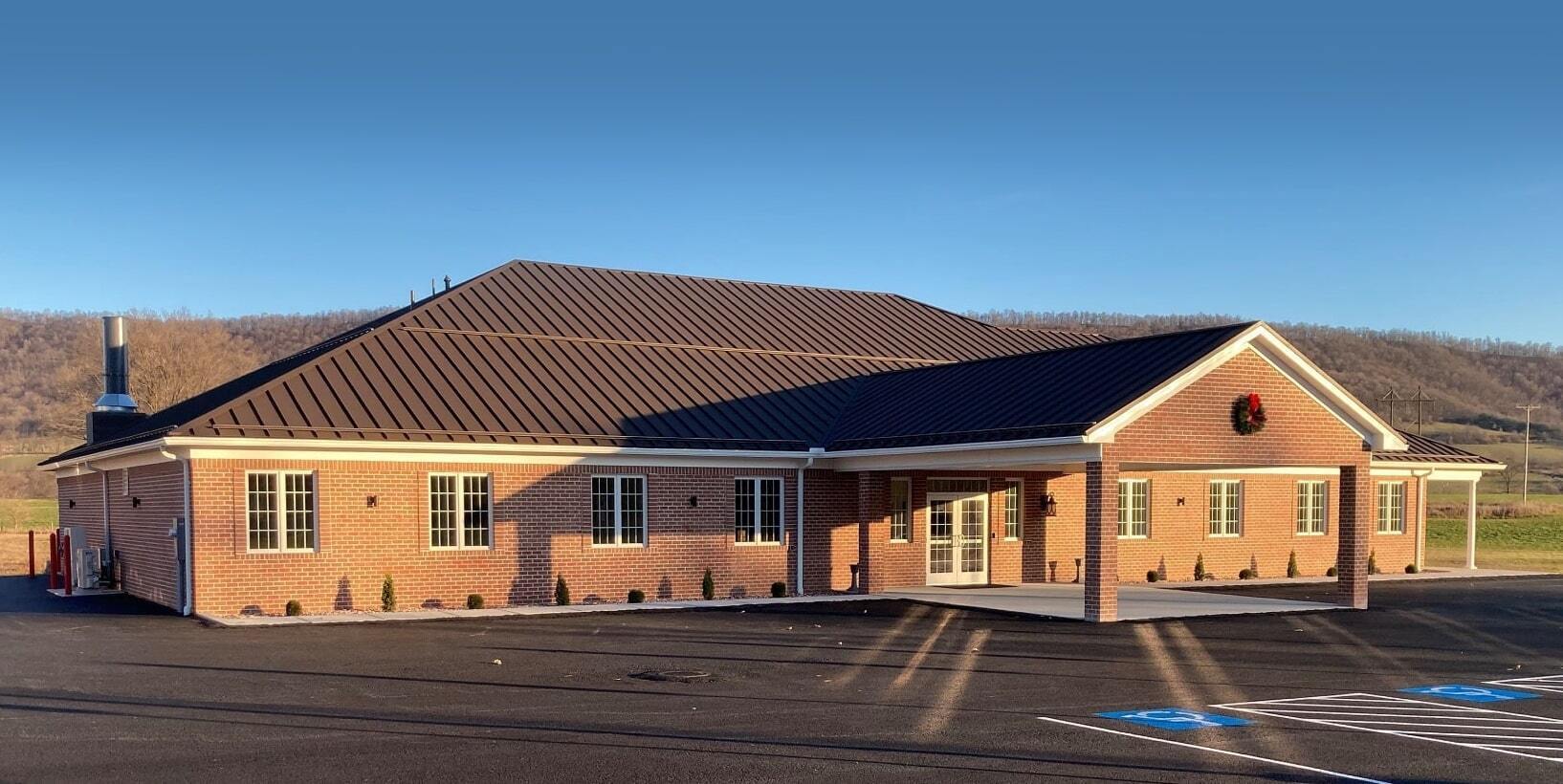
Funeral Home & Mortuary Roofing work in San Diego starts with roof condition, access, drainage, existing assembly, occupant impact, and whether repair, restoration, maintenance, or replacement is the practical next step.
Request a quoteFuneral Home & Mortuary Roofing in San Diego, CA, commercial roofing for funeral home & mortuary roofing properties.
A funeral home is the rare commercial building where the contractor matters almost as much as the work. Families arrive for visitations and services on the worst days of their lives, and the last thing they should notice is a roofing crew. We approach mortuary projects from Hillcrest and Bankers Hill out to the older chapels along El Cajon Boulevard and the established neighborhood funeral homes serving Kensington, North Park, and Point Loma with that reality at the center of everything we plan. The roof is a means to an end here: keeping a quiet, dignified building dry and presentable so the staff can do their work without interruption.
San Diego gives mortuary owners a particular set of conditions to manage. The marine layer pushes damp, salt-laden air inland most mornings, and on the older funeral homes near Balboa Park and along Fifth and Sixth Avenues you find decades of built-up roofing on wood or lightweight concrete decks that has quietly absorbed moisture under a surface that still looks intact. Many of these are converted Craftsman and Mission Revival structures with low-slope additions tacked onto steeper original roofs, so the transitions between old and new framing are exactly where leaks tend to start. We core-sample and run a moisture survey before anyone talks about a recover, because a tear-off on a building this sensitive is not something you want to discover halfway through.
Every mortuary has a preparation and embalming area, and that room drives more of the roofing scope than the chapel does. It runs under negative pressure to contain formaldehyde and other chemical vapors, with a rooftop exhaust stack that has to keep running to stay within OSHA exposure limits. That stack cannot be capped, blocked, or taken offline because it sits inconveniently in the middle of a roof section we want to replace. We locate it during the walk, treat the flashing around it as its own line item, and confirm with the funeral director that exhaust stays live during any work within ten feet of it. The same care applies to the refrigeration condensers serving the holding room, water intrusion or a power interruption there is not an inconvenience, it is a serious problem.
The chapel or main service room is usually a clear-span space, sometimes forty to sixty feet across with no interior columns, which means the deck flexes and the wind uplift numbers are higher than a casual look suggests. We confirm deck type and fastener pull-out before we settle on an attachment pattern, the same way we would on a church sanctuary. Out front, the porte-cochere where families are received under cover is a chronic leak point on older San Diego mortuaries, the canopy-to-wall transition takes thermal movement and a little settlement every year, and standard retail flashing was never built to hold up to it. We re-flash those connections as a deliberate part of the scope rather than hoping the field membrane carries them. And because the street view of a funeral home is part of how grieving families judge it, we keep edge metal, fascia, and visible parapet lines clean and squared away.
Mortuaries are never really closed. Visitations run into the evening seven days a week, services can be scheduled on short notice after a death call, and there is no slow season to lean on. We build around the funeral director's calendar instead of asking the building to accommodate ours: noisy tear-off is sequenced away from service hours, the chapel and main entry stay clear and quiet during anything on the books, and the work area is dried in and watertight before the building closes each evening. Staff get a daily heads-up on where we will be so nothing about a roofing project ever spills into a family's experience.
We schedule against the funeral director's weekly calendar. Loud tear-off and demolition are sequenced away from confirmed service and visitation hours, the chapel and front entry stay clear of crew activity during anything scheduled, and we confirm the work area is dried in before the building closes each evening. The director gets a daily plan so the staff always know where we will be.
It stays running. The embalming and preparation area operates under negative pressure for OSHA compliance, so we identify the stack before mobilizing, scope its flashing as a separate item with the director's sign-off, and confirm continuous exhaust during any work nearby. The stack is never capped or shut down for our convenience.
For most low-slope mortuaries, sixty-mil TPO over tapered polyiso is the workhorse, the taper corrects the drainage and ponding problems common on older neighborhood funeral homes near Balboa Park and Hillcrest. On wood-decked chapels we confirm load capacity first and adjust insulation thickness accordingly rather than assuming a steel-deck assembly will translate.
Yes. The clear-span chapel deck gets its own uplift and fastener evaluation, and the porte-cochere canopy is inspected as part of every funeral home walk. The canopy-to-building transition is the most common chronic leak on these properties, so we re-flash it deliberately instead of folding it into the field membrane and hoping it holds.
That is a priority, not an afterthought. We stage materials out of the sightline families use, keep the entry and visible rooflines clean, and finish edge metal and fascia so the street view of the building reads as cared-for throughout. A funeral home is judged on appearance, and we work accordingly.
Funeral Home & Mortuary Roofing needs a roof scope that respects access, interior protection, rooftop equipment, drainage paths, and work-hour limits for that facility type.
Start a Request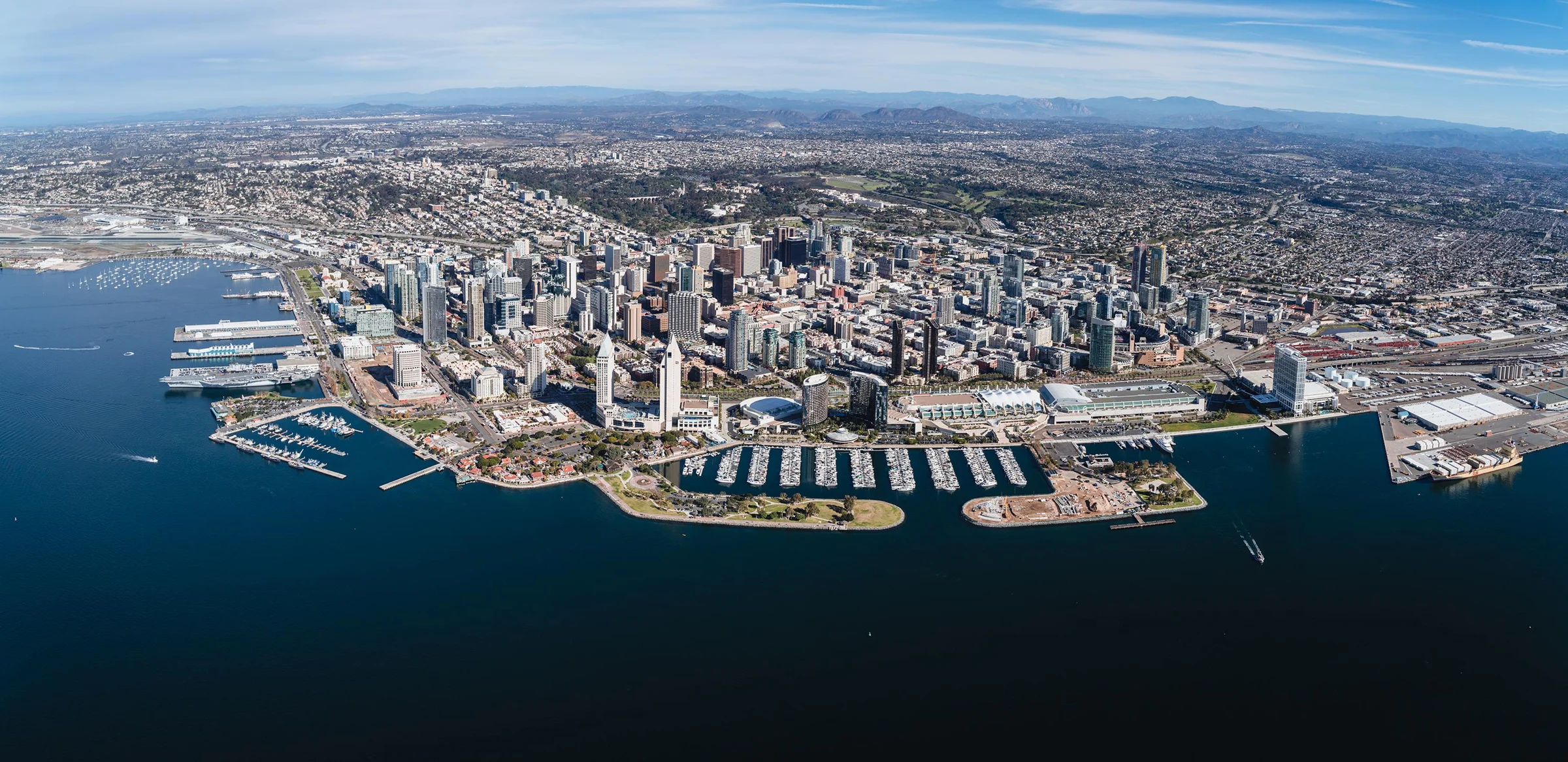
A practical roof scope tells the owner what is urgent, what can wait, what needs testing, and which details change the budget.
San Diego roof work should account for marine air, reflective roof requirements, tenant operations, drainage, and rooftop service traffic.
Photos tied to roof areas, drains, penetrations, and sheet metal
Repair, coating, recover, replacement, and maintenance paths separated
Access, staging, tenant notices, work hours, and daily dry-in reviewed