

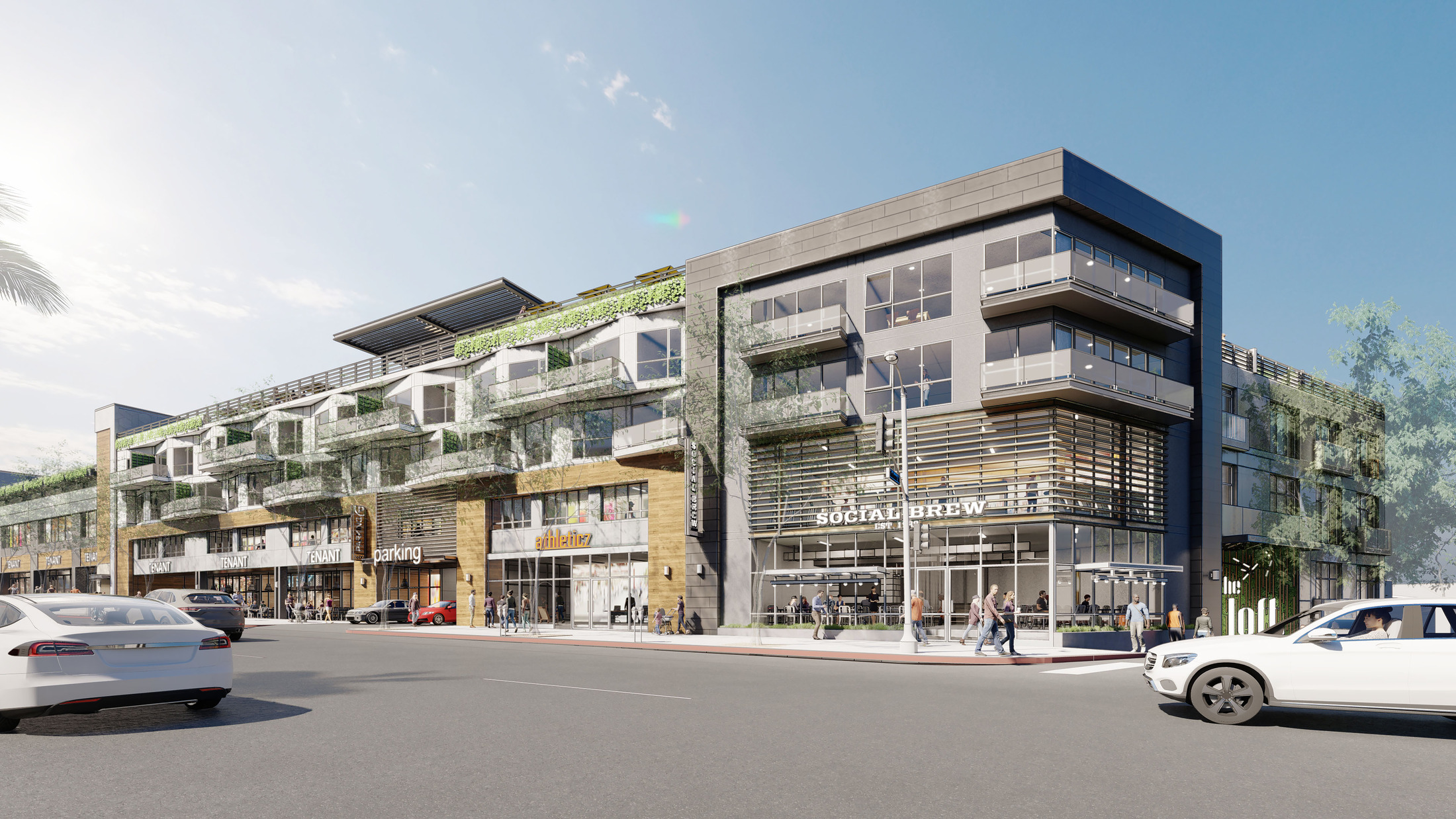
Mixed-Use Development Roofing work in San Diego starts with roof condition, access, drainage, existing assembly, occupant impact, and whether repair, restoration, maintenance, or replacement is the practical next step.
Request a quoteCommercial roof scope, inspection, access planning, and documentation for acrylic roof coatings.
San Diego's mixed-use development market has concentrated along transit corridors served by the Blue and Orange Trolley lines, with North Park, South Park, Mission Valley's Civita project, and the Little Italy high-rise cluster representing the most active zones of activity. These projects layer craft breweries, co-working spaces, and ground-floor restaurants under market-rate condominiums whose balconies and rooftop decks command views of the bay, Balboa Park, or the coastal mountains. That combination of premium views and premium expectations places roofing quality at the center of every project conversation, because a leak in a San Diego mixed-use penthouse generates disproportionate legal and reputational damage in a market this competitive.
San Diego's Mediterranean climate is often mistakenly characterized as roofing-benign. In reality, the marine layer delivers sustained high humidity, coastal fog condensation, and salt-laden air that attacks roofing membranes, flashing metals, and sealant compounds at a molecular level. On mixed-use buildings within a mile of the Pacific, from the Gaslamp Quarter to the waterfront blocks of Little Italy, zinc and aluminum flashings corrode faster than inland standards predict, and sealants formulated for dry climates embrittle within three years. Commercial roofers who specify marine-grade stainless steel copings, polyurea sealants, and UV-stabilized membranes protect San Diego owners from premature failures that standard warranty language often excludes.
Rooftop amenity decks are virtually non-negotiable for San Diego mixed-use residential projects above a certain price point. The city's near-perfect outdoor climate means residents expect to use rooftop pools, cooking areas, and lounge furniture year-round, creating a uniquely high-traffic and high-load environment compared to rooftop terraces in markets where weather limits seasonal use. The waterproofing assembly beneath these decks must accommodate point loads from furniture anchors, planters, and mechanical equipment simultaneously with foot traffic. Traffic-bearing urethane waterproofing systems with embedded drainage mats and paver overlays have become the San Diego standard because they handle all those demands without sacrificing the seamless waterproofing plane the building requires.
Little Italy's high-rise mixed-use towers along India Street and the blocks surrounding the waterfront have raised the technical bar for roofing in San Diego. At 10 to 20 stories, these buildings experience wind loads well above what ground-floor retail zone calculations address, and the roofing membrane must be specified for the higher wind uplift exposure. Mechanically fastened systems at the perimeter combined with adhered field membrane are the standard approach for San Diego high-rise mixed-use roofs; the fastening pattern and pullout testing requirements are engineered for each specific project based on the building's height, shape, and proximity to the coast.
North Park's mid-rise mixed-use corridor along University Avenue features buildings where commercial kitchens, craft brewery fermentation spaces, and food halls occupy the ground and second floors with residential units above. Each kitchen and brewery operation requires rooftop exhaust equipment that penetrates the podium roof deck in multiple locations. Every penetration is a potential waterproofing failure point if the installation sequence is not managed carefully. San Diego commercial roofers who have completed similar North Park projects know to install pitch pockets and pre-formed pipe-boot flashings before the field membrane is laid, rather than cutting into a completed roof to accommodate late mechanical changes.
San Diego's relatively mild winters do not eliminate freeze-thaw as a roofing concern entirely. Marine fog and overnight condensation on elevated decks create moisture cycling in porous materials that mimics freeze-thaw damage over time, even when temperatures never drop below freezing. Grout joints in rooftop paver fields, coping joint sealants, and mortar-set stone details absorb and release moisture through dozens of daily cycles, eventually saturating the substrate. Commercial roofers who protect these details with pre-treated sealants and flexible backer rods reduce the maintenance burden on building managers who would otherwise face re-grouting campaigns every few years.
The Civita development in Mission Valley represents San Diego's most ambitious transit-oriented mixed-use project to date. Its multi-phase build-out has brought roofing contractors into contact with a wide range of occupancy configurations, standalone retail pads, mid-rise residential towers, and integrated mixed-use blocks where the roofing scope changes character every hundred feet of roofline. Managing the transitions between those different roof systems, coordinating warranties that cover the whole building rather than just isolated sections, and training maintenance staff on the different membrane types within a single property portfolio requires organizational discipline that separates full-service commercial roofing firms from single-trade subcontractors.
Fire-rated assemblies at San Diego mixed-use occupancy interfaces require careful attention because California's Title 19 fire code has been updated repeatedly in response to lessons learned from urban fire events statewide. The separation assembly between a ground-floor nightclub and a residential floor above must carry a three-hour rating in some configurations, which affects not only the structural floor assembly but also the roofing system's contribution to the overall rated design. Commercial roofers who maintain updated knowledge of California's fire code amendments, and who can produce the listed assembly documentation an inspector requires, prevent the failed inspections that push project timelines past financing deadlines.
San Diego's mixed-use pipeline remains strong as the city pursues density along its transit corridors to meet state housing mandates. The combination of the bay views, the tech-sector employment base, and the lifestyle premium attached to walkable neighborhoods ensures that rooftop deck quality will remain a competitive differentiator in the residential market. Commercial roofing contractors who invest in understanding the full technical, regulatory, and stakeholder landscape of San Diego mixed-use projects, from marine-grade material specifications to the nuances of HOA warranty obligations, are the firms that secure long-term relationships with the city's most productive developers.
Mixed-Use Development Roofing is scoped around coastal metal exposure, San Diego access limits, rooftop equipment, tenant protection, drainage, and what the owner needs to decide next.
Start a Request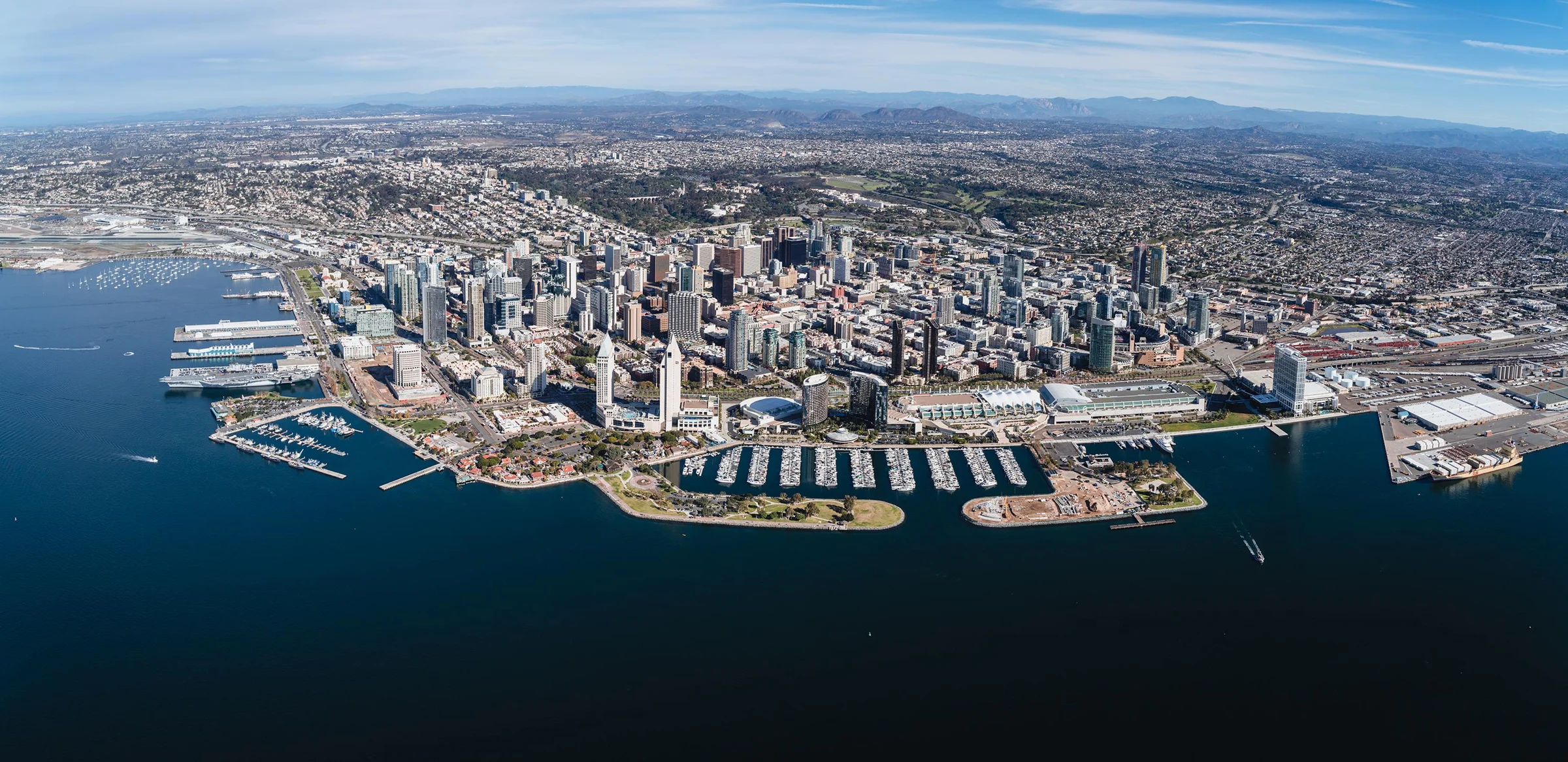
A practical roof scope tells the owner what is urgent, what can wait, what needs testing, and which details change the budget.
San Diego roof work should account for marine air, reflective roof requirements, tenant operations, drainage, and rooftop service traffic.
Photos tied to roof areas, drains, penetrations, and sheet metal
Repair, coating, recover, replacement, and maintenance paths separated
Access, staging, tenant notices, work hours, and daily dry-in reviewed