

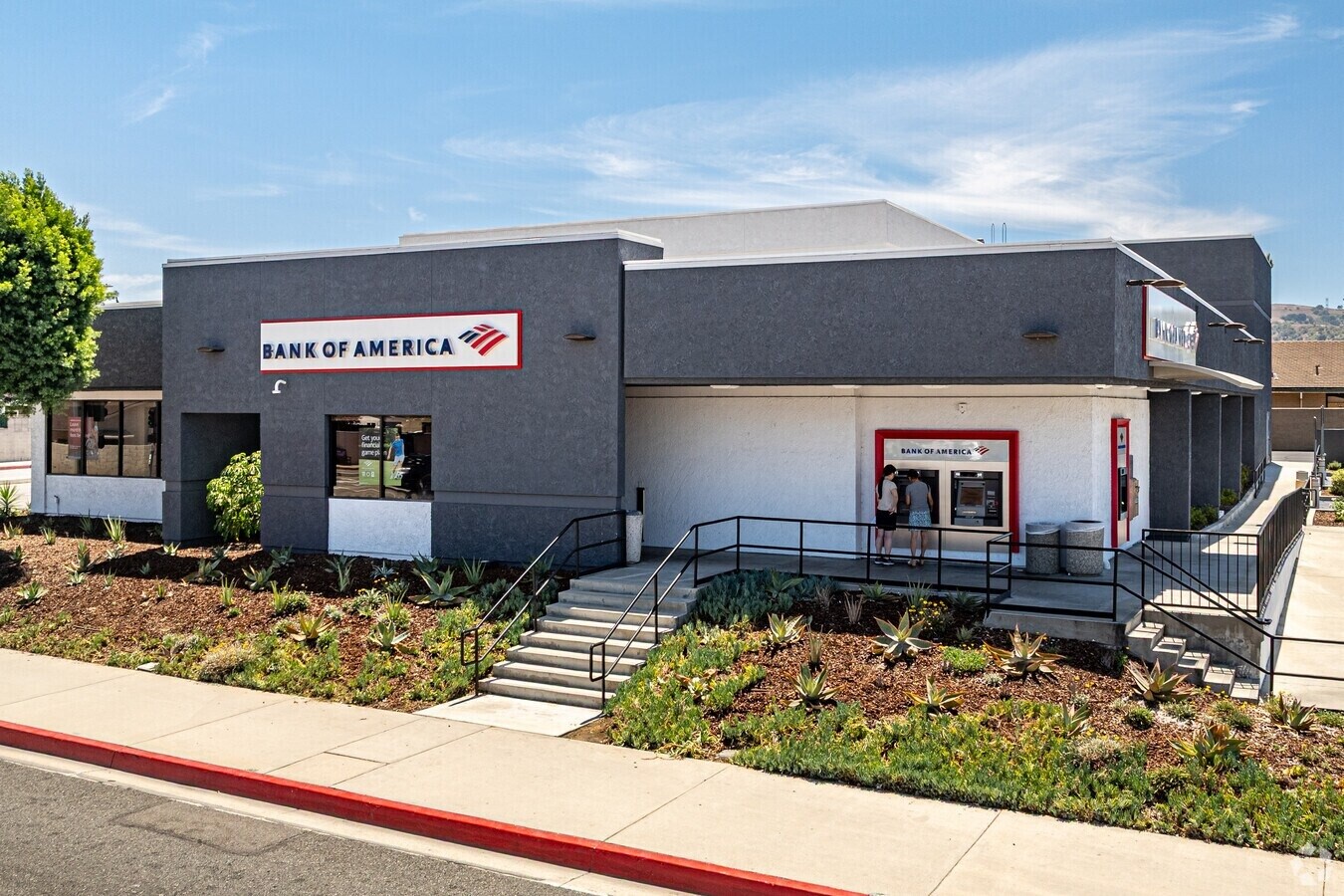
Bank & Financial Building Roofing work in San Diego starts with roof condition, access, drainage, existing assembly, occupant impact, and whether repair, restoration, maintenance, or replacement is the practical next step.
Request a quoteBank & Financial Building Roofing in San Diego, CA, commercial roofing for bank & financial building roofing properties.
Bank roofs are small, but they punish mistakes. A typical branch in San Diego, along a busy retail stretch of Mission Valley, anchoring a corner in Clairemont or Chula Vista, or tucked into a strip near a Trolley stop, carries only a few thousand square feet of flat roof, yet that roof sits over a vault, a server room, cash-handling operations, and a customer floor where any water intrusion stops business the same day. We treat these as high-stakes small roofs: low square footage, high consequence, and a building that has to keep running during banking hours while we work.
San Diego's financial footprint runs from the high-rise corporate banking towers downtown along B Street and Broadway out to the credit-union headquarters and back-office buildings in Kearny Mesa, with retail branches scattered through every commercial district. The downtown towers and the suburban branches are different roofing problems, but they share the two traits that define this category here: the roof is highly visible from the street or from neighboring buildings, and the operations underneath it are intolerant of leaks. Both shape how we scope the work.
A bank branch packs a surprising amount of equipment onto a small roof. The drive-through canopy ties back to the building, the ATM kiosk has its own enclosure and conduit, a generator transfer setup serving the vault and servers vents through the roof, and the server room runs precision air conditioning that adds its own curbed units. Each of those is a discrete flashing detail, and the density of penetrations on a small bank roof is what makes the leak risk higher than the size implies. Far and away the most common chronic leak on a retail branch is the drive-through canopy-to-building transition, it takes thermal cycling, vehicle and wash overspray, and a little differential settlement every year, and the standard retail flashing detail was never built to hold that connection long term. We re-flash it as its own scope item rather than rolling it into the field membrane and hoping.
Because branches sit on prominent corners and the corporate towers are seen from every direction downtown, the visible parts of the roof matter to the brand. Edge metal, fascia, parapet caps, and any rooftop screening read from the street and from adjacent floors, so we keep those details clean and squared, stage materials out of public sightlines, and treat the appearance of the finished roofline as part of the deliverable. On a financial building, a sloppy edge detail is not just a roofing issue, it is a brand issue.
Access at a financial building is governed more tightly than almost any other commercial type. Contractor badging, escorts for vault-adjacent areas, and security-camera documentation of crew activity on the roof are standard, and the security coordination timeline is real work that belongs in the schedule rather than as a surprise after the contract is signed. We identify vault and secure-area locations from the building drawings before mobilizing, sequence work over those zones into approved windows, and confirm with the security team that no active vault operation is affected by vibration or by temporary access changes during the work.
Many financial institutions in San Diego own multiple branches or run their real estate through centralized facilities management, and the national banks operate preferred-vendor programs with standardized scope documentation and account pricing frameworks. We work inside those structures for portfolio accounts and directly with community banks and credit unions managing a single property, and either way the closeout package is the same: insurance and license verification up front, daily work and dry-in reports, manufacturer warranty registered in the owner's name, and a final permit and inspection package. For multi-site programs, the corporate facilities team gets a single point of project-management contact across the portfolio.
We concentrate active tear-off and installation in off-hours and weekends and confirm the work area is dried in before business opens each morning. Work windows, noise limits during customer-service hours, and any security-escort requirements for roof access are coordinated with the branch manager and the corporate facilities team in advance.
As its own flashing item, never rolled into the field membrane. We evaluate the canopy-to-wall transition separately, and if it shows deterioration we re-flash it with a detail built for the differential movement that connection sees. It is the most common source of chronic branch leaks, and replacing the field membrane alone never fixes it.
Corporate banking real estate departments generally want contractor insurance certificates and license verification before mobilizing, a preconstruction safety plan, daily work and dry-in reports, manufacturer warranty registered in the owner's name, and a final permit and inspection package. We provide the standard corporate documentation and work within each institution's vendor-management process.
Yes. We identify vault and secure-room locations from the building drawings before mobilizing, sequence work over those roof zones into approved windows, and confirm with the security team that no active vault operation is affected by vibration or by temporary access changes during the work.
Yes. Portfolio programs, a regional bank with twenty branches or a national institution with locations across California, are a regular part of our project mix. We provide standardized scoping, documentation, and pricing across the portfolio, with a single project-management contact for the corporate facilities team.
Bank & Financial Building Roofing needs a roof scope that respects access, interior protection, rooftop equipment, drainage paths, and work-hour limits for that facility type.
Start a Request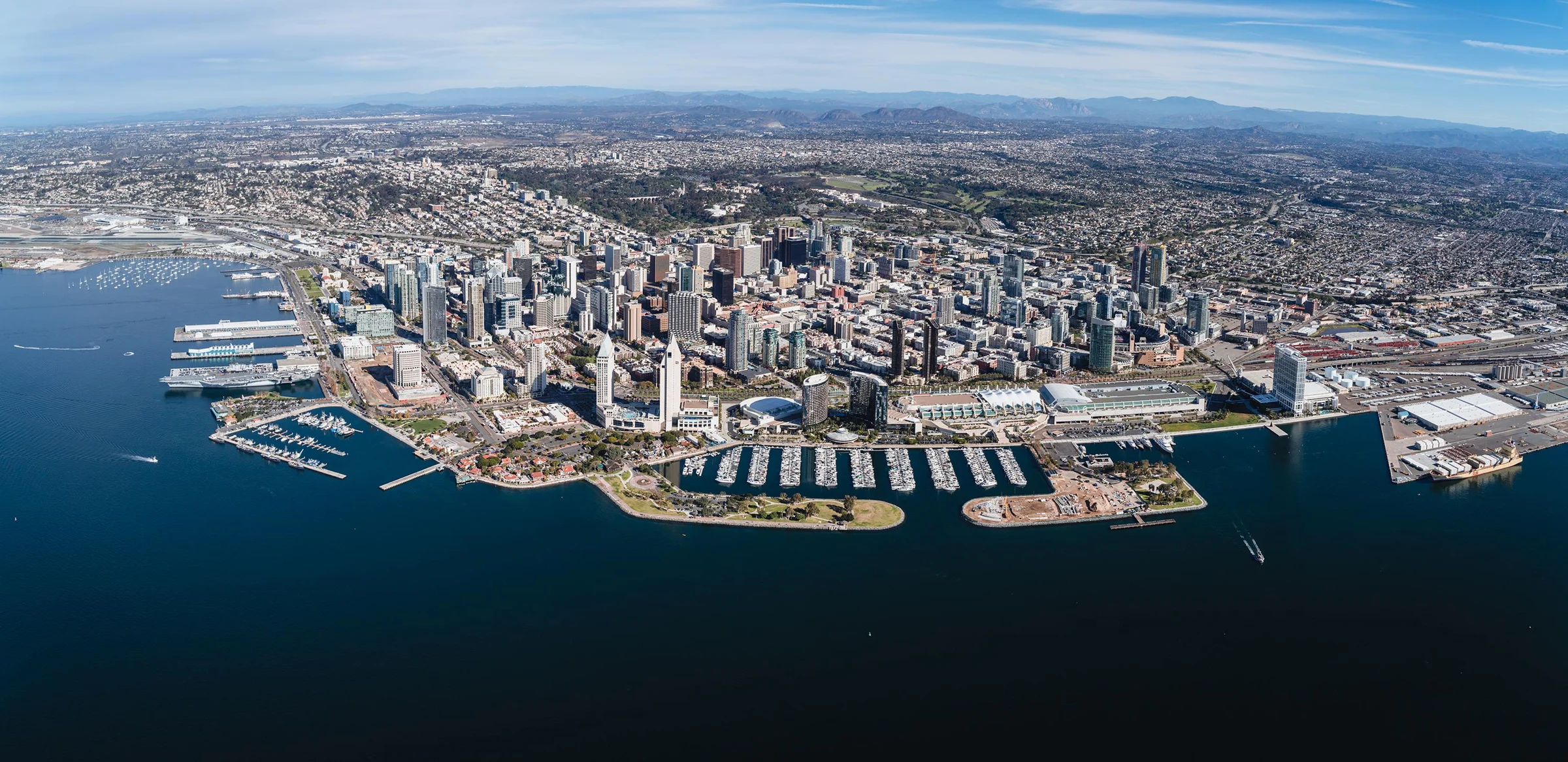
A practical roof scope tells the owner what is urgent, what can wait, what needs testing, and which details change the budget.
San Diego roof work should account for marine air, reflective roof requirements, tenant operations, drainage, and rooftop service traffic.
Photos tied to roof areas, drains, penetrations, and sheet metal
Repair, coating, recover, replacement, and maintenance paths separated
Access, staging, tenant notices, work hours, and daily dry-in reviewed