

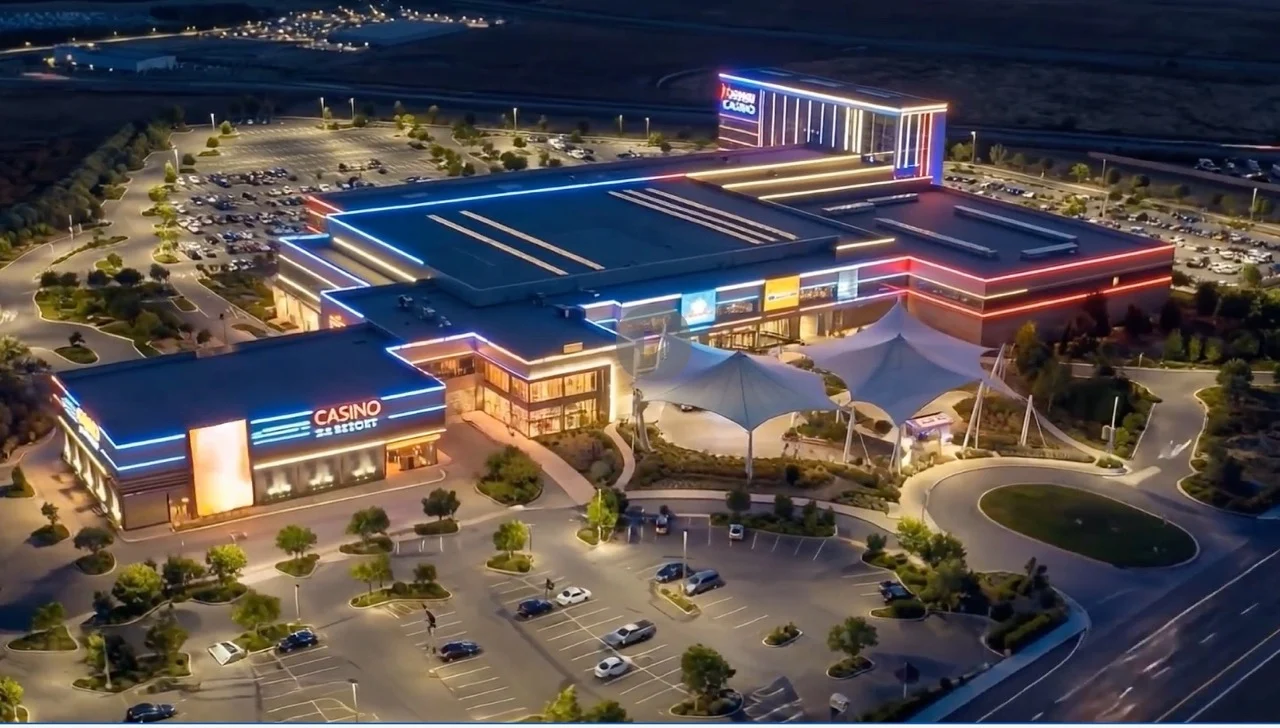
Casino & Entertainment Complex Roofing work in San Diego starts with roof condition, access, drainage, existing assembly, occupant impact, and whether repair, restoration, maintenance, or replacement is the practical next step.
Request a quoteCommercial roofing for casino & entertainment complex roofing in San Diego, CA, specifications, scheduling, and project coordination for this building type.
The gaming floor roof structure presents a roofing engineering challenge specific to casino buildings in San Diego. Large-span clear structures, covering 20,000 to 100,000 square feet of unobstructed gaming floor without interior columns, generate the same long-span deflection challenges as stadium and convention center roofs, combined with the highest HVAC density of any building type. Gaming floor climate requirements, continuous fresh air exchange for occupied assembly use, tight temperature and humidity control for patron comfort, produce a penetration count per square foot that exceeds standard commercial buildings by a factor of 3-5. We document every penetration before specifying the attachment pattern.
The gaming floor's HVAC system creates a specific challenge for re-roofing in San Diego: it cannot be shut down. Casino operators cannot run a gaming floor without continuous climate control, patron comfort directly affects gaming revenue, and most gaming floors have occupancy-based HVAC systems that can't be throttled down during construction without violating the gaming license conditions. This means all curb work, raising curbs, replacing HVAC equipment, re-flashing curb caps, must be done with the HVAC system operational. We coordinate live HVAC curb work with the mechanical contractor and specify the construction sequence to keep each air handling unit operational while adjacent units are being worked.
Hotel towers on casino campuses in San Diego present a separate roofing scope with different requirements from the gaming floor and entertainment buildings. Hotel roofs typically carry high-density mechanical equipment, the rooftop chiller plants and cooling tower arrays that serve the hotel, on tall buildings with complex access requirements and wind exposure conditions that differ from the lower gaming floor structures. We assess hotel tower roofs as a separate project with their own structural assessment, wind uplift design, and equipment coordination scope.
We obtain the structural drawings for the gaming floor building, identify the deck type and calculated deflection under design load, and design an attachment pattern adjusted for the long-span deflection characteristics. For gaming floor clear-span structures over 150 feet, the deflection-adjusted attachment pattern typically uses closer fastener spacing at mid-span than at the perimeter, the opposite of standard commercial practice, which concentrates fasteners at the perimeter for uplift resistance. We submit the modified attachment design to the structural engineer of record for review.
60-mil or 80-mil mechanically attached reinforced TPO is the baseline specification for gaming floor clear-span roofs in San Diego. The heavier membrane weight reduces fatigue risk at fastener points under long-span deflection. Fully adhered systems are not appropriate for large-span gaming floor structures for the same reasons they're not appropriate for stadium roofs, adhesive bond isn't designed for cyclical deflection-induced peel forces. White membrane reduces the cooling load on the facility's massive HVAC system, providing a modest energy benefit that compounds over a 20-year service life.
Live HVAC curb replacement requires a temporary bypass plan for each unit, either a temporary flex connection that keeps the unit operational while its curb is rebuilt, or a temporary portable unit that serves the zone while the permanent unit is disconnected. The mechanical contractor designs the bypass plan; we coordinate our curb replacement sequence with their bypass schedule. No HVAC unit is disconnected without an active bypass plan in place and confirmed with the facilities director. Gaming floor climate control is treated as a life-safety system during casino roofing, it never goes off without a written plan.
Casino buildings in San Diego's climate zone are designed to the wind speed requirements of the applicable building code, typically ASCE 7 for commercial construction. Large-footprint casino buildings may be in a higher exposure category than standard commercial buildings if their footprint and height place them in a more exposed aerodynamic condition. We calculate wind uplift pressure for the specific building geometry, confirm the calculation with the structural engineer of record, and specify the fastener pattern to meet the calculated uplift requirement with the manufacturer's tested system assembly. The calculation is documented in the permit submittal.
Hotel tower roofs require a full structural assessment before re-roofing, the weight of existing mechanical equipment, new insulation assembly, and any proposed equipment replacements must be confirmed within the structural capacity of the roof framing. We provide the proposed assembly weight to the structural engineer of record before finalizing the specification. Tower roof access uses swing stage, mast climber, or crane-assisted platforms depending on the specific building geometry, we confirm the access method and required permits before the proposal is finalized.
Casino & Entertainment Complex Roofing needs a roof scope that respects access, interior protection, rooftop equipment, drainage paths, and work-hour limits for that facility type.
Start a Request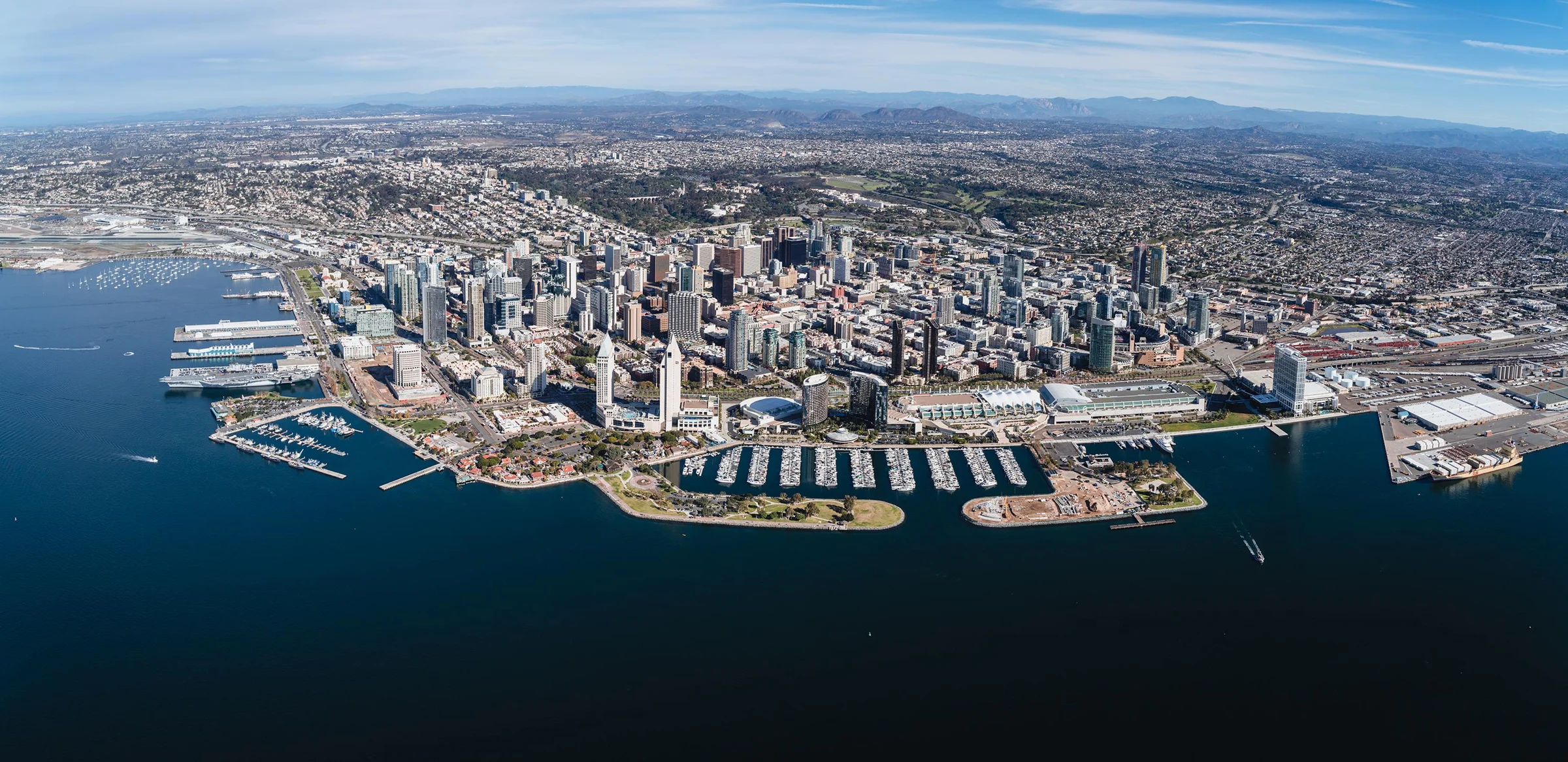
A practical roof scope tells the owner what is urgent, what can wait, what needs testing, and which details change the budget.
San Diego roof work should account for marine air, reflective roof requirements, tenant operations, drainage, and rooftop service traffic.
Photos tied to roof areas, drains, penetrations, and sheet metal
Repair, coating, recover, replacement, and maintenance paths separated
Access, staging, tenant notices, work hours, and daily dry-in reviewed