

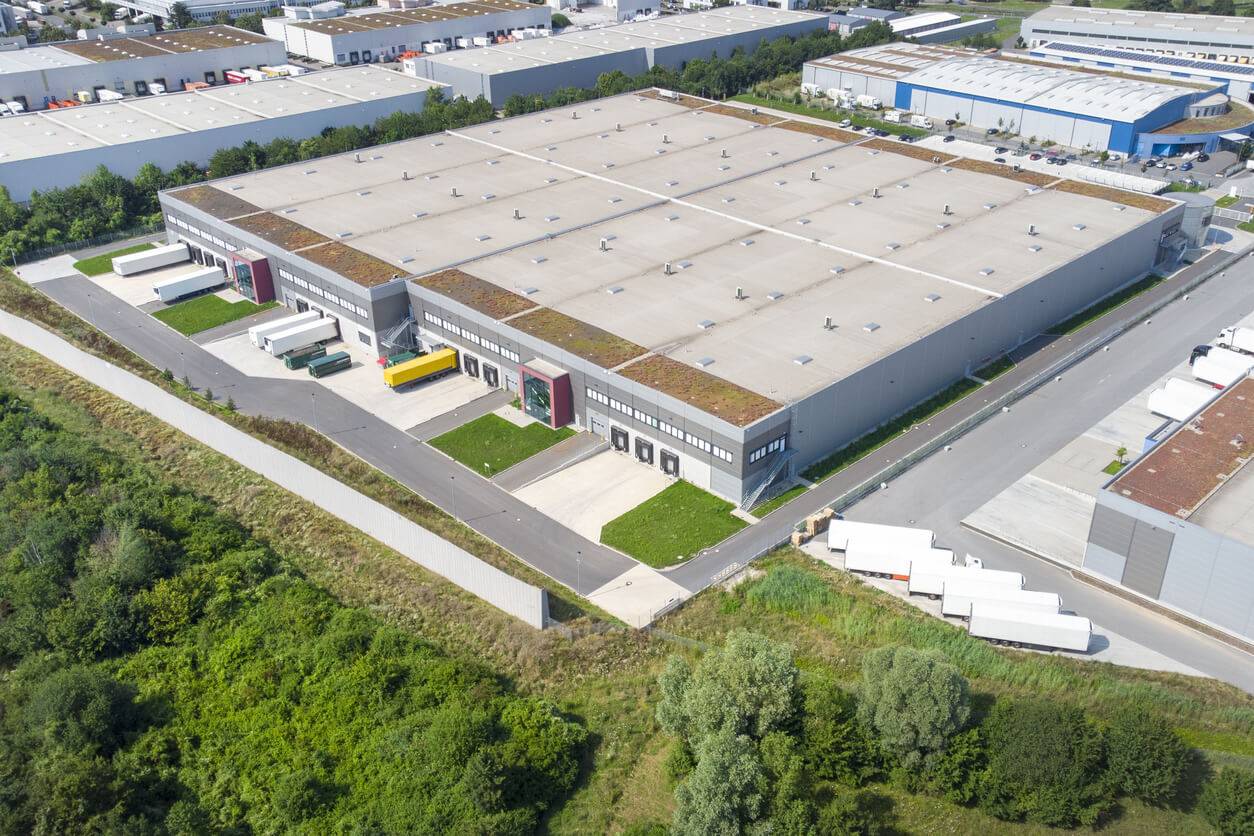
Industrial Roofing work in San Diego starts with roof condition, access, drainage, existing assembly, occupant impact, and whether repair, restoration, maintenance, or replacement is the practical next step.
Request a quoteCommercial roof scope, inspection, access planning, and documentation for industrial roofing.
San Diego's industrial roofing market is shaped by forces that most inland markets never encounter: persistent salt air from the Pacific, a major naval installation that is the largest on the West Coast, one of the nation's top container ports, and a dense cluster of aerospace and defense manufacturers whose buildings demand performance standards far above standard commercial practice. Add the region's position in a moderate seismic zone, and you have a set of conditions that require both technical expertise and local market knowledge from any roofing contractor serving this market.
Naval Base San Diego covers thousands of acres of waterfront real estate along San Diego Bay and encompasses dozens of building types, from pier-side support structures and aircraft maintenance hangars to ammunition storage buildings and administrative facilities. The combination of salt air exposure, high humidity adjacent to the bay, and the operational demands of an active naval installation makes roofing specification and contractor selection a matter of national security infrastructure. Federal construction and maintenance contracts at NBSD require compliance with Navy NAVFAC specifications, appropriate security clearances for personnel, and bonding levels that reflect the scale and sensitivity of the work.
Miramar Marine Corps Air Station adds another dimension to San Diego's defense-industrial roofing market. Aircraft maintenance facilities, fuel storage buildings, and flight-line support structures at Miramar face the same federal procurement requirements as Naval Base San Diego, with the added challenge of jet blast exposure at buildings close to the flight apron. Roofing systems on buildings in the blast zone must be mechanically fastened or adhered with adhesives that resist the dynamic pressure differentials created by jet engine exhaust, which can exceed the wind-uplift specifications that govern standard commercial roofing.
General Atomics, headquartered in the Sorrento Valley area north of downtown San Diego, manufactures unmanned aerial vehicles that have become critical platforms for military and intelligence operations worldwide. Their manufacturing and testing facilities are precision-controlled environments where roofing integrity directly affects production quality. Clean-room adjacent buildings require vapor-retarder assemblies that prevent moisture migration from the roof system into the controlled space below, and HVAC penetrations must be detailed with airtight curb and flashing assemblies that don't compromise the positive-pressure environment these spaces maintain.
The Port of San Diego handles containerized cargo, bulk commodities, and cruise ship operations from facilities spread across the downtown waterfront and the National City Marine Terminal. Warehousing, cold storage, and transloading facilities at the port face an aggressive salt-air environment that accelerates corrosion in metal roof systems and degrades uncured membrane seams faster than in inland locations. Specifying corrosion-resistant metal components, stainless steel fasteners, aluminum coping, and factory-coated metal edge systems, at port-adjacent buildings significantly extends the maintenance-free service life of roofing assemblies that might otherwise require attention every three to five years.
The I-5/I-805/SR-56 industrial corridors in the northern and central portions of San Diego County host a broad range of light industrial, biotech, and logistics tenants. Buildings in these corridors are frequently multi-tenant, which creates a roofing management challenge: a single roof serves multiple tenants with different operational profiles, and any rooftop penetration for one tenant's mechanical equipment becomes a potential liability for all others. Proper documentation of all rooftop penetrations, regular maintenance programs, and clearly drafted lease language about rooftop access and responsibility are essential components of asset management for industrial park owners.
San Diego's mild climate, roughly 11 inches of rain annually and no meaningful freeze, might suggest that roofing is less demanding here than in harsher markets. That's a costly misconception. The marine layer that sits over the coast for much of the year creates persistently elevated humidity at roof level, which accelerates mold growth in wet insulation and drives moisture vapor transmission through assemblies that would stay dry in drier inland climates. The lack of freeze-thaw cycles removes one stress mechanism, but salt air, UV, and humidity create a different set of long-term degradation mechanisms that are just as capable of shortening roof life if not properly addressed in the system design.
Seismic design considerations affect roofing specification in San Diego in ways that aren't always obvious to building owners. The Elsinore and Rose Canyon fault systems run through and near the city, and building codes require roofing assemblies to accommodate the interstory drift and differential movement that seismic events produce. Adhered single-ply membranes accommodate building movement better than mechanically fastened systems in high-seismic zones because the adhesive distributes stress across the membrane field rather than concentrating it at fastener points. For tall parapet walls and complex geometric rooflines, both common in San Diego's modernist industrial architecture, flexible flashing materials and properly designed expansion joints are critical details.
Solar integration is more than a trend on San Diego industrial roofs, it's a financial necessity for many large building owners facing some of the highest commercial electricity rates in the continental United States. Industrial buildings with large flat roof surfaces are ideal hosts for photovoltaic arrays, but roof-mounted solar requires careful structural and roofing coordination. Ballasted solar racking systems add 4–8 pounds per square foot of dead load, which must be evaluated against the structural capacity of the existing deck. Penetrating racking systems must be flashed with manufacturer-approved details to maintain the roofing warranty. And the roofing membrane beneath a solar array, which cannot be inspected or replaced while the array is in place without significant cost, should be new or in excellent condition before panels are installed.
Industrial roofing contractors who serve San Diego's defense and aerospace sectors bring capabilities that generalist contractors simply don't have: experience navigating federal procurement, familiarity with NAVFAC and USMC installation specifications, security-cleared personnel for work in sensitive areas, and the quality documentation discipline that government contracts require. For private-sector industrial owners and managers, the question isn't whether to invest in quality roofing, the question is whether to wait until a roof is actively leaking or to implement a proactive maintenance and capital planning program that extends asset life and avoids the emergency repair premiums that reactive maintenance always generates.
Salt air is a corrosive environment that attacks metal components, fasteners, coping, drains, and curb flashings, faster than inland air. Chloride ions in sea-salt aerosol accelerate the oxidation of steel and aluminum, and in buildings within a mile or two of the ocean or San Diego Bay, the difference between standard and corrosion-resistant hardware is measured in years of service life rather than decades. Specifying stainless steel fasteners, hot-dipped galvanized or aluminum coping systems, and epoxy-coated or stainless drain bodies adds a modest upfront cost that is easily recovered in reduced maintenance and premature component replacement. Membrane systems themselves are less directly affected by salt air, but the hardware and metal components that hold them in place are highly vulnerable.
Federal military installation roofing requires contractors to navigate a procurement and compliance framework that includes NAVFAC or USMC specifications, FAR/DFARS contract terms, security background checks for all site personnel, and detailed submittal and quality assurance documentation. Work on some facilities requires security clearances, and all work on installation property requires base access credentials that can take weeks to process. The technical specifications themselves are generally rigorous, military roofing standards often exceed commercial building code requirements for wind uplift, fire ratings, and membrane durability. Contractors without prior federal installation experience should expect a steeper learning curve on their first military base project than on a comparable private industrial job.
If your roof is more than 10–12 years old or showing signs of wear at seams, flashings, or penetrations, you should strongly consider reroofing before installing solar. Once photovoltaic panels are in place, accessing the roof membrane beneath them requires removing and reinstalling the array, an expensive process that adds thousands of dollars to what would otherwise be a routine repair. New or recently reroofed roofs also provide a cleaner warranty situation: the roofing manufacturer's warranty remains intact, and the solar installer's penetration or ballast details can be coordinated with the roofing contractor from the start. Many San Diego industrial owners now coordinate a simultaneous roof replacement and solar installation, which reduces total mobilization costs and eliminates the future conflict.
Seismic design requirements in San Diego's Seismic Design Category D or E zones influence roofing in several ways. Adhered membrane systems are preferred over mechanically fastened systems because they flex with building movement without concentrating stress at fastener points. Expansion joints in roofing assemblies at building expansion joints must be detailed with flexible covers that accommodate anticipated differential movement without tearing. Tall parapet walls, which experience amplified movement during seismic events, require flexible metal flashing details and reglet systems that don't crack or delaminate under cyclic stress. Specifying a roofing contractor who understands the California Building Code seismic provisions and has local experience with these details is important for buildings in this market.
A properly specified and professionally installed industrial roofing system in San Diego, whether TPO, PVC, modified bitumen, or standing-seam metal, should deliver 20–30 years of service life with a proactive maintenance program. The mild temperatures and absence of freeze-thaw extend membrane life compared to harsher climates, but the persistent humidity, salt air, and UV exposure mean that maintenance cannot be deferred indefinitely. Roofs that receive annual professional inspections, prompt repair of minor damage, and regular cleaning of drains and scuppers consistently perform in the upper range of their expected lifespan. Roofs that are ignored until they leak typically deliver 30–40% less service life and generate significantly higher total life-cycle costs.
Industrial Roofing is scoped around coastal metal exposure, San Diego access limits, rooftop equipment, tenant protection, drainage, and what the owner needs to decide next.
Start a Request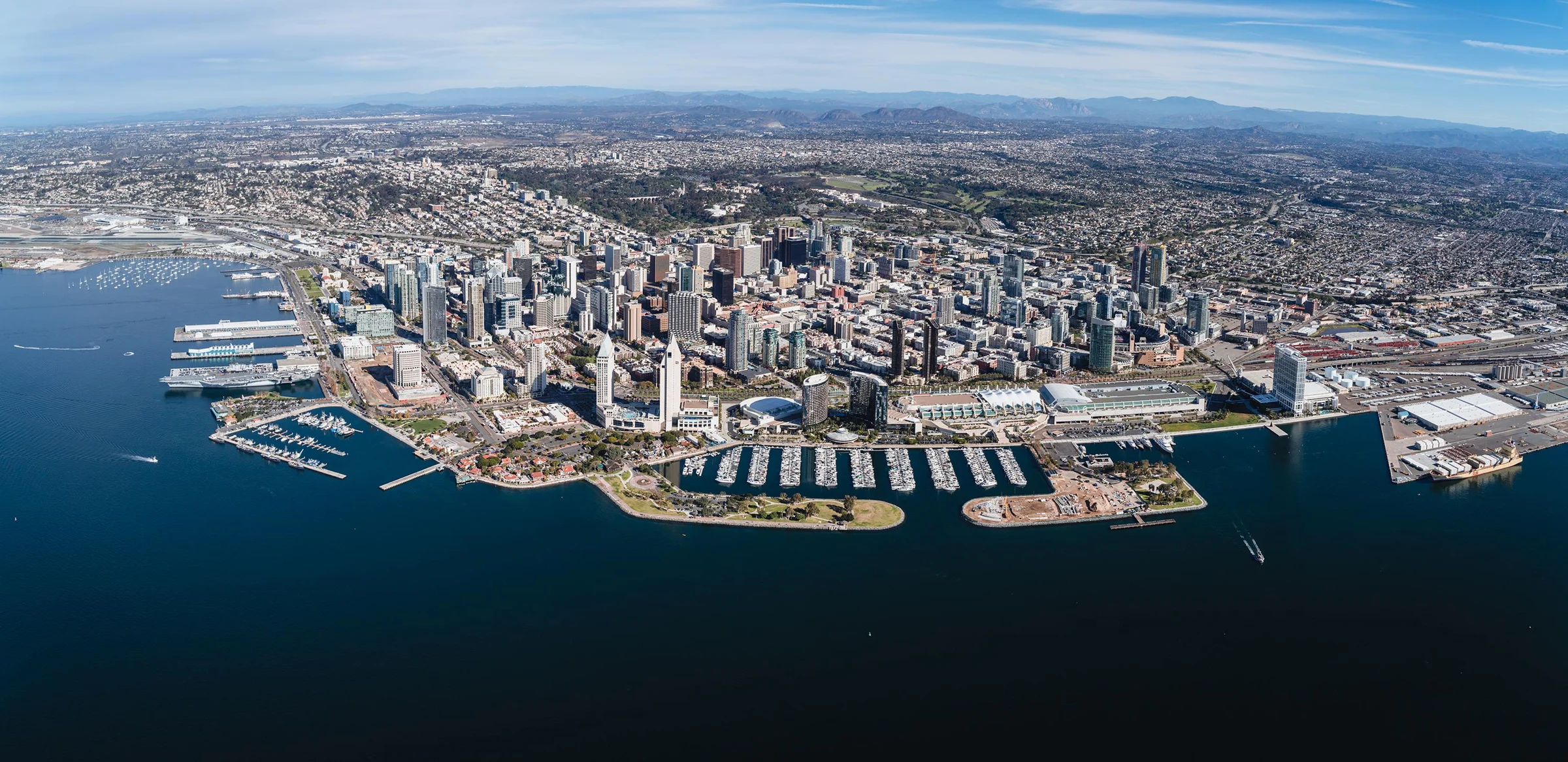
A practical roof scope tells the owner what is urgent, what can wait, what needs testing, and which details change the budget.
San Diego roof work should account for marine air, reflective roof requirements, tenant operations, drainage, and rooftop service traffic.
Photos tied to roof areas, drains, penetrations, and sheet metal
Repair, coating, recover, replacement, and maintenance paths separated
Access, staging, tenant notices, work hours, and daily dry-in reviewed