

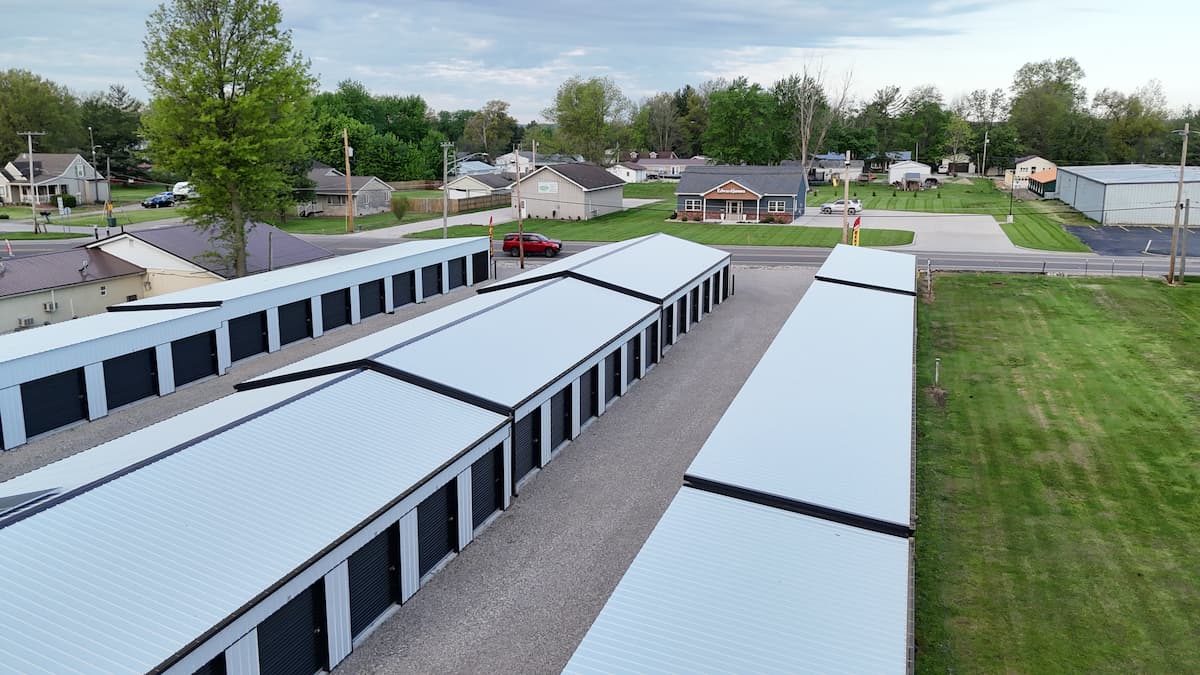
Self-Storage Facility Roofing work in San Diego starts with roof condition, access, drainage, existing assembly, occupant impact, and whether repair, restoration, maintenance, or replacement is the practical next step.
Request a quoteCommercial roof scope, inspection, access planning, and documentation for acrylic roof coatings.
Public Storage maintains a dominant self-storage presence across San Diego County, from facilities in Mission Valley and Kearny Mesa to locations in the coastal communities of Oceanside and Chula Vista, all of which depend on roofing systems that must satisfy California's Title 24 requirements while performing through San Diego's mild but moisture-variable coastal climate. Commercial roofing for self-storage in San Diego combines the state's stringent energy compliance framework with the practical demands of a city that sees occasional heavy winter rainfall events, marine layer moisture that persistently penetrates unsealed building assemblies, and meaningful seismic exposure from the Rose Canyon Fault and other regional fault systems.
California Title 24 requirements apply in full force in San Diego's Climate Zone 7, which covers most of the coastal and near-coastal areas of the county. Low-slope commercial roofs must meet minimum solar reflectance and thermal emittance values, effectively requiring cool-roof membranes for any new or replacement roofing project. We specify TPO and PVC systems with California Energy Commission documentation as a matter of standard practice, and we include this compliance paperwork in every project closeout package to support building permit final approval. San Diego's mild climate means that the energy savings from a reflective roof are somewhat less dramatic than in hotter inland markets, but compliance is not optional regardless of climate-specific payback calculations.
Marine layer moisture is a San Diego-specific challenge that affects roofing assemblies differently than bulk rainfall does. The persistent coastal fog that blankets San Diego's coastal neighborhoods overnight and in the morning hours maintains high humidity at the roof surface, creating conditions favorable for biological growth on north-facing membrane sections and for moisture infiltration at any flashing or termination that has even a minor gap. We use self-adhered flashing membranes at all terminations and penetrations on San Diego coastal projects, providing a waterproofing redundancy that goes beyond what would be specified for a drier climate.
Seismic risk in San Diego is meaningful. The Rose Canyon Fault runs directly through the urban core of the city, and San Diego County contains multiple active fault traces in addition to its exposure to regional events on the southern San Andreas system. Roofing assemblies that add dead load to structures and that contain heavy equipment curbs must be designed with seismic restraint in mind. We specify penetration and equipment curb attachment details that meet current California seismic requirements, preventing the equipment displacement and waterproofing failure that can occur when curbs are not properly restrained against lateral seismic forces.
Self-storage properties in San Diego County occupy an enormously diverse range of locations, from urban infill sites in Mission Valley to large-footprint suburban facilities in Santee and El Cajon. Urban sites often have more complex architectural requirements, including parapet designs that screen mechanical equipment from view and building configurations that create multiple roof levels with complicated flashing transitions. Our San Diego project managers are experienced with both simple single-building facilities and complex multi-building campuses with multiple roof elevations and interconnected drainage systems.
Tenant protection in a coastal San Diego market includes protection from the occasional dramatic winter rainfall events that the region's topography can amplify. When atmospheric river events deliver several inches of rain in a short period, drainage systems must function perfectly to prevent ponding. Pre-winter drain inspections, conducted every October or early November before the first major Pacific storm system, are one of the most cost-effective maintenance investments a San Diego storage operator can make. A clogged drain during an atmospheric river event can create ponding loads and moisture infiltration that cost orders of magnitude more to remediate than the inspection would have cost to conduct.
Green building expectations in San Diego mirror broader California trends toward sustainability in commercial construction. Self-storage operators in San Diego have opportunities to pursue solar-ready roof designs that accommodate future PV installations, install cool roofs that contribute to urban heat island reduction, and implement rainwater harvesting for landscape irrigation. The city's sustainability programs and California's various green building incentives make these features financially attractive as well as environmentally responsible.
Re-roofing logistics in San Diego benefit from the region's largely dry construction season from late spring through early fall, during which large projects can proceed with minimal weather interruption. California's prevailing wage requirements apply to certain project types in San Diego, and our team is fully certified and compliant with all applicable labor requirements. We maintain current contractor licensing, insurance, and bonding appropriate for California commercial roofing projects of all sizes.
From storage facilities in Pacific Beach serving the coastal rental market to large campus developments in San Marcos serving North County's growing population, our San Diego commercial roofing team delivers Title 24 compliance, seismic-aware design, and the coastal-climate expertise that this market demands. Contact us today for a roof assessment and a proposal tailored to your San Diego facility's specific regulatory and environmental requirements.
Self-Storage Facility Roofing is scoped around coastal metal exposure, San Diego access limits, rooftop equipment, tenant protection, drainage, and what the owner needs to decide next.
Start a Request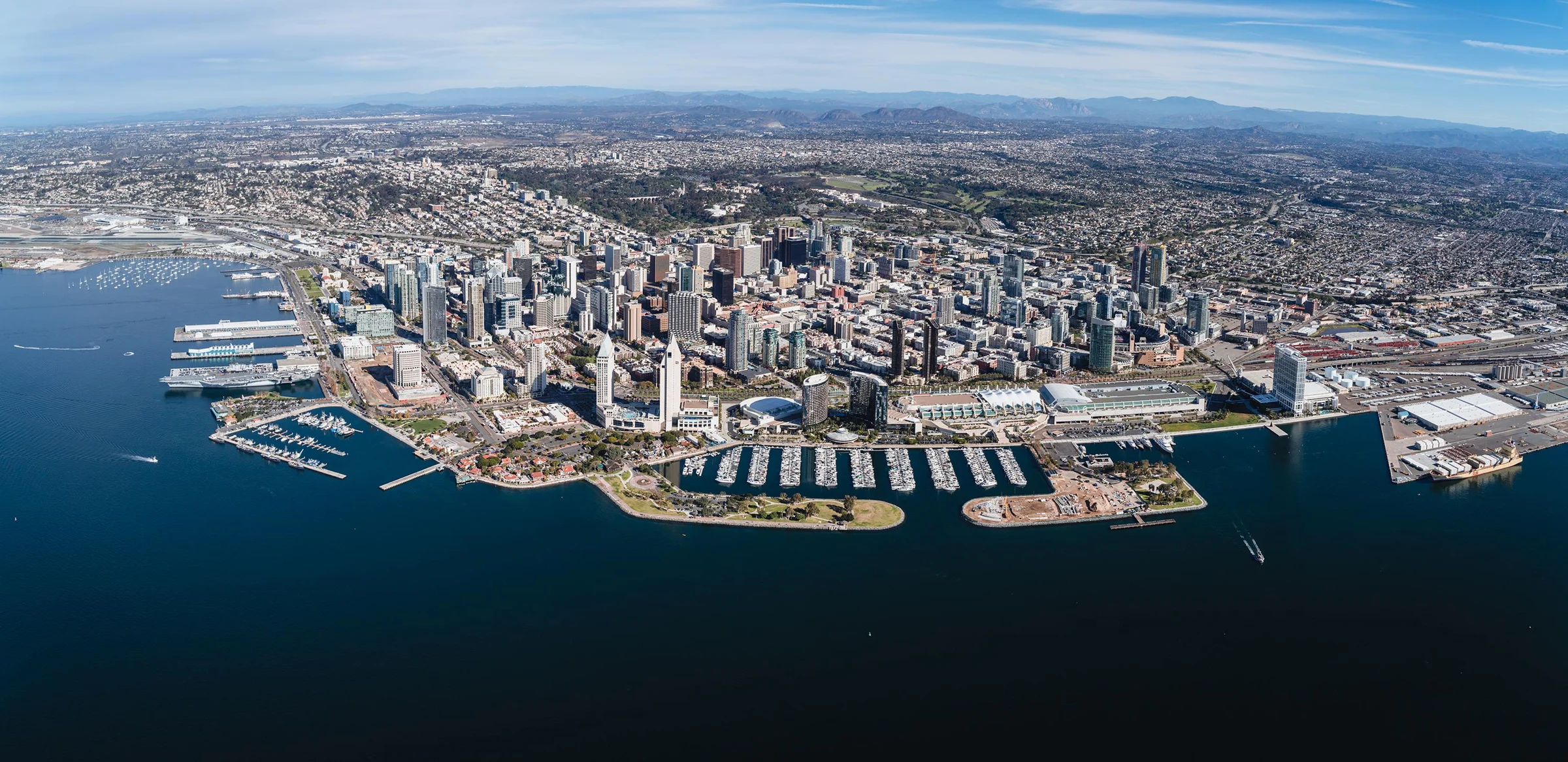
A practical roof scope tells the owner what is urgent, what can wait, what needs testing, and which details change the budget.
San Diego roof work should account for marine air, reflective roof requirements, tenant operations, drainage, and rooftop service traffic.
Photos tied to roof areas, drains, penetrations, and sheet metal
Repair, coating, recover, replacement, and maintenance paths separated
Access, staging, tenant notices, work hours, and daily dry-in reviewed