

Mixed-Use Development Roofing work in San Diego starts with roof condition, access, drainage, existing assembly, occupant impact, and whether repair, restoration, maintenance, or replacement is the practical next step.
Request a quoteMixed-Use Development Roofing in San Diego, CA, commercial roofing for mixed-use development roofing properties.
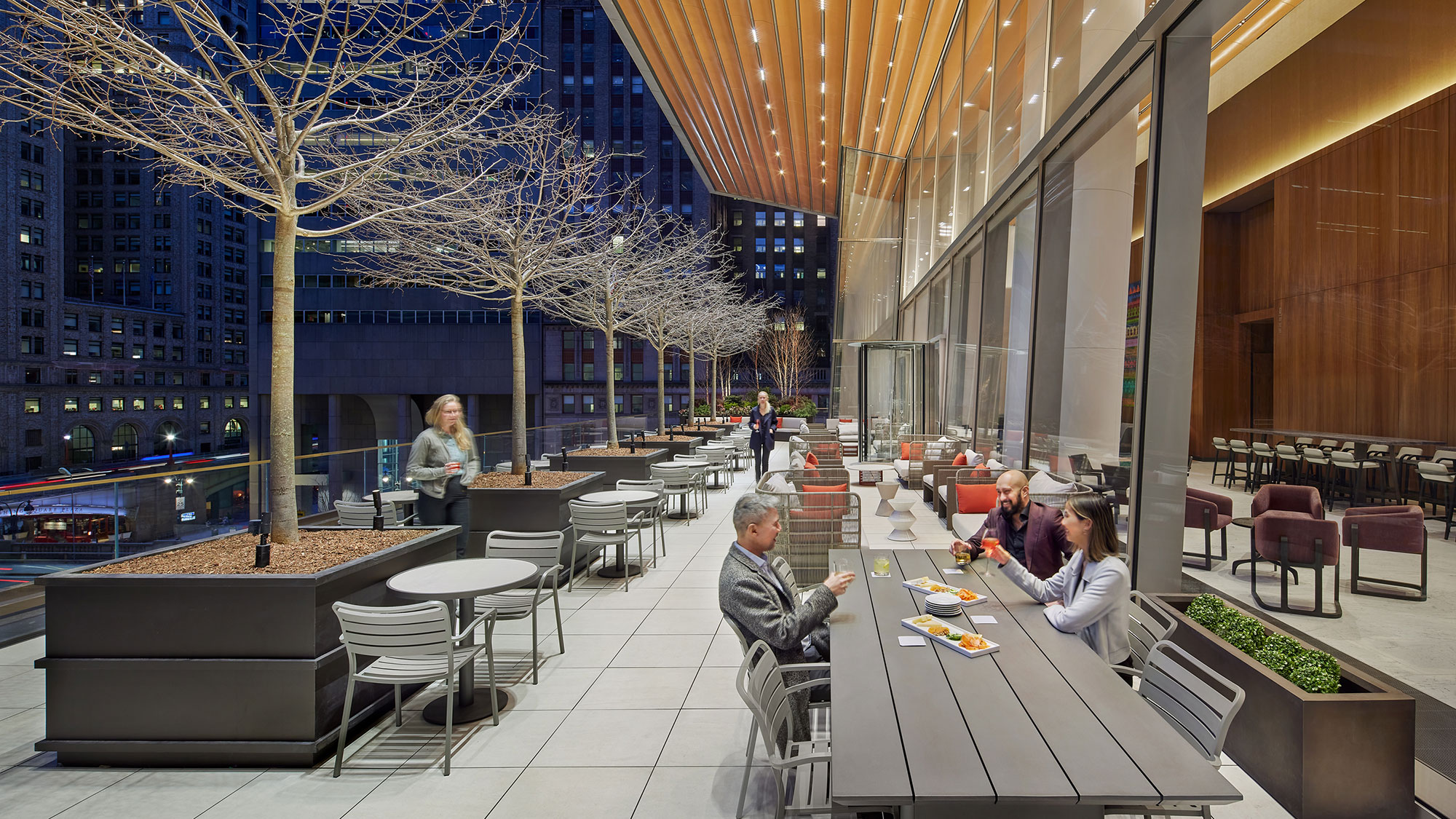
Mixed-use is the dominant form of new construction in San Diego's urban core right now, and it is also the most demanding category we touch. A single building in East Village, Little Italy, or along the Park Boulevard corridor in North Park might stack ground-floor retail, several floors of apartments, structured parking tucked into the base, and a landscaped amenity deck up top, and from a waterproofing standpoint that is not one roof, it is three or four distinct systems with different rules, different warranties, and different consequences when they fail. The work that makes these projects succeed happens vertically, in how those systems hand off to one another, not on any single flat plane.
The neighborhoods driving this are easy to name. East Village has filled in around Petco Park with podium-style apartment blocks over retail. Little Italy keeps densifying along India and Kettner with mixed-use mid-rises. Transit-oriented projects are clustering near the Trolley along the Blue and Green Lines, and adaptive-reuse conversions in Barrio Logan and the East Village are turning older industrial shells into live-work buildings. Each of those product types lands a different roof and deck assembly on our desk, and we scope them as the layered structures they are.
The most expensive mistake on a mixed-use building is treating the podium deck like a low-slope roof. The podium, the structural slab between parking or retail at grade and the residential floors above, has occupied, conditioned space directly beneath it and frequently carries planters, paving, or a plaza on top. That calls for a traffic-bearing waterproofing assembly: a membrane built for structural deflection and constant hydrostatic load, a drainage composite, a root barrier under any landscaping, and an insulation load path coordinated with the structural engineer. Drop a standard roofing membrane onto a plaza deck and it tends to fail within a handful of years, and on a mixed-use building that failure shows up as water in someone's apartment or in the parking structure below.
The uppermost roof on a residential tower brings its own list: parapet and overflow drainage sized for the roof area, mechanical penthouse and elevator-overrun flash-throughs, and rooftop amenity decks that have become standard on San Diego mid-rises trading on a bay or skyline view. Those amenity decks need a traffic-bearing assembly under the finish surface, installed and warranted in coordination with the deck-finish contractor and the structural engineer of record. We separate the occupied-deck waterproofing from the standard field membrane on the unoccupied roof zones so each gets the right system and the right warranty rather than a single compromise spec stretched across both.
Mixed-use buildings complicate warranties because the retail condo, the residential association, and sometimes a hotel or office component can all own different slices of the envelope. Coordinating who holds which manufacturer warranty, and making sure the NDL coverage on the membrane lines up with the separate waterproofing warranty on the podium, is part of the job, not paperwork we leave to the closeout scramble. We register coverage in the correct owner's name for each roof zone and document the boundaries clearly so a future leak does not turn into a finger-pointing exercise between associations.
Most of this work happens above or beside people. San Diego's noise ordinance governs working hours in residential zones, ground-floor retail needs uninterrupted access during business hours, and any work at height over a public sidewalk or plaza triggers overhead-protection requirements. We phase the work to keep residents and retail tenants functioning, contain noise and debris, coordinate elevator and common-area access with building management, and confirm in writing that each zone is dried in before the crew leaves for the day. On a renovation of an occupied mixed-use building, we do not demobilize until the open area is watertight.
A roofing membrane is built for drainage and light maintenance traffic. A podium deck sits over occupied space and often carries planters, paving, or a plaza, so it needs a waterproofing assembly that handles structural deflection, root intrusion, standing hydrostatic pressure, and pedestrian or vehicle loads. Using a standard roofing membrane there is the wrong specification and usually fails within a few years, into the apartment or garage below.
We build a phasing plan before mobilizing, sequenced to keep residents and retail tenants operating, with noise, vibration, and debris containment planned to fit San Diego's residential-zone noise hours. Elevator and common-area access is coordinated with building management, and we confirm each work zone is dried in before the day ends.
Yes. Amenity decks need a traffic-bearing waterproofing assembly under the finish surface, not a field roofing membrane. We specify, install, and warrant that assembly in coordination with the deck-finish contractor and the structural engineer of record, and we keep it separate from the field membrane on the unoccupied roof zones.
Construction lenders and developers generally want architect-reviewed submittals, manufacturer technical approval of the system, mock-up testing before full installation, quality-control inspection reports, manufacturer-rep inspections at critical phases, and NDL warranty registration at closeout. We work inside the project's submittal and QC framework from preconstruction through final inspection.
We map each roof and deck zone to its owner, retail condo, residential association, hotel or office component, and register the manufacturer warranty in the correct name for each. We make sure the membrane's NDL coverage and the podium's waterproofing warranty line up, and we document the boundaries so a future leak does not become a dispute between associations.
Mixed-Use Development Roofing needs a roof scope that respects access, interior protection, rooftop equipment, drainage paths, and work-hour limits for that facility type.
Start a Request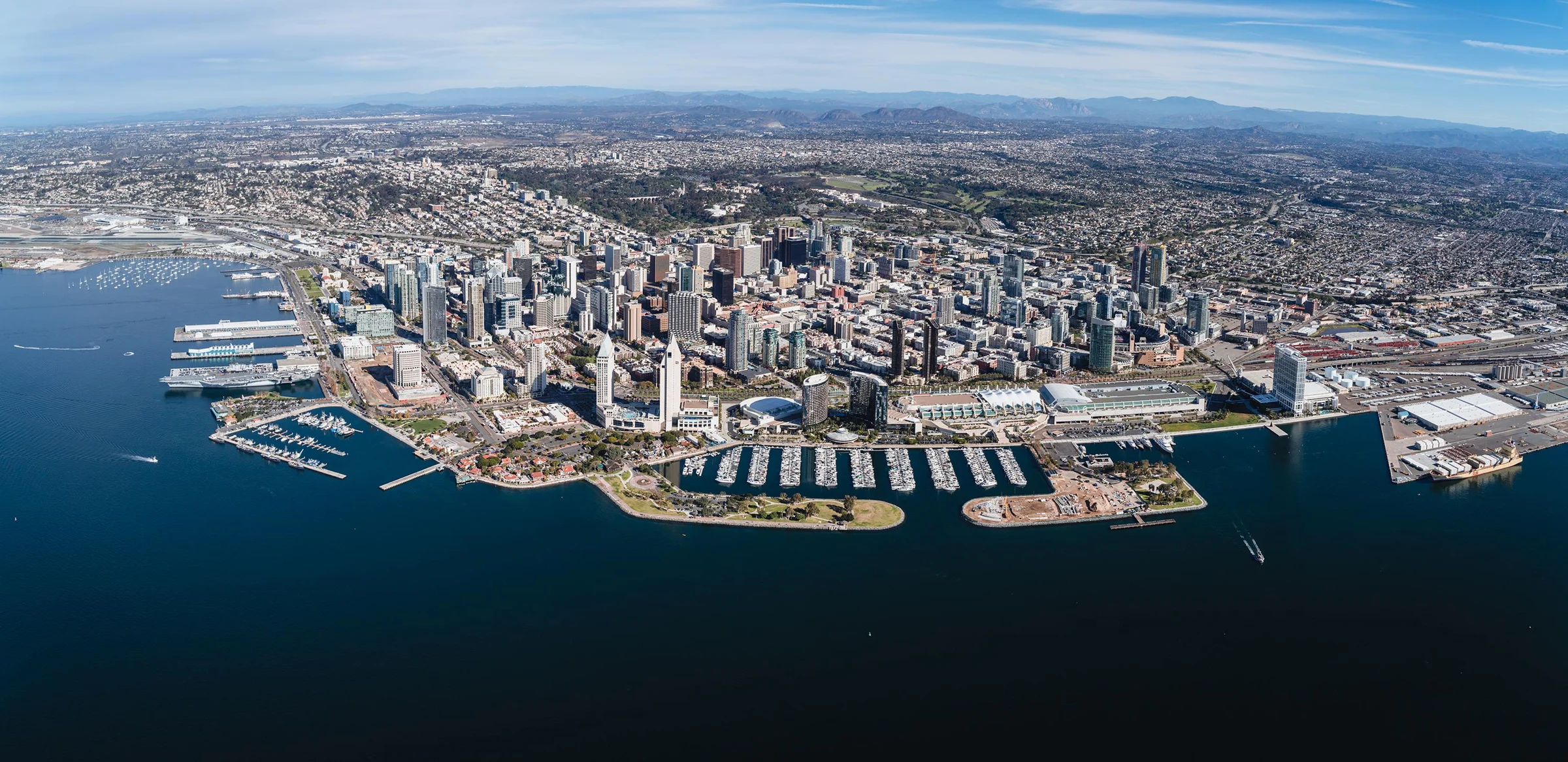
A practical roof scope tells the owner what is urgent, what can wait, what needs testing, and which details change the budget.
San Diego roof work should account for marine air, reflective roof requirements, tenant operations, drainage, and rooftop service traffic.
Photos tied to roof areas, drains, penetrations, and sheet metal
Repair, coating, recover, replacement, and maintenance paths separated
Access, staging, tenant notices, work hours, and daily dry-in reviewed