

Food Processing and Cold Storage Roofing work in San Diego starts with roof condition, access, drainage, existing assembly, occupant impact, and whether repair, restoration, maintenance, or replacement is the practical next step.
Request a quoteCommercial roof scope, inspection, access planning, and documentation for commercial real estate & reits.
San Diego's food industry combines agricultural distribution, seafood processing, consumer packaged goods manufacturing, and major foodservice distribution in a configuration that reflects the city's unique position as a Pacific gateway with direct agricultural connections to some of the most productive growing regions in the country. Hormel Foods maintains significant processing and distribution operations in the San Diego area, supplying both national brands and regional specialty products to the Southern California market. Dole Food Company's San Diego presence reflects the city's historical role as a Pacific trade hub for tropical produce. The Fish Market and San Diego's broader seafood cold chain serve one of the most seafood-intensive restaurant and retail markets in the country. Sysco San Diego's distribution center processes refrigerated and frozen product for thousands of foodservice customers across the county. Roofing these diverse food facilities requires expertise that spans the full range of cold storage, food processing, and distribution building types.
HACCP compliance in San Diego food facilities must address a specific coastal climate challenge: the marine layer and salt air environment that characterizes San Diego's weather for much of the year. Moisture from the marine layer deposits on roof surfaces and eventually works into building assemblies through any gap in the vapor control system, and salt-laden air accelerates the corrosion of metal components at penetrations, flashings, and drainage hardware. Our specifications for San Diego food facilities address marine environment durability explicitly, using materials with appropriate coastal exposure ratings and detailing all metal components with corrosion-resistant coatings or stainless steel alternatives where the environment demands.
The seafood cold chain in San Diego operates at some of the lowest temperatures in the food cold storage spectrum, tuna and other high-value fish may be stored at near-freezing temperatures, and blast freezing for export requires deep freeze conditions that create extreme vapor pressure differentials across the building envelope. The roof assembly for a seafood blast freezer must function as a near-perfect vapor barrier, with every penetration, seam, and transition detailed to prevent the warm, moist coastal air from reaching the cold surfaces inside. Failures in this vapor management function lead not just to structural damage but to condensation events that can compromise the temperature control and sanitary conditions required for seafood safety compliance.
Dole Food Company's distribution operations in San Diego involve fresh produce cold chain management with specific temperature and humidity requirements that differ from frozen food storage. Fresh produce is typically stored at temperatures between 34 and 45 degrees Fahrenheit depending on the commodity, with controlled humidity to prevent desiccation. The roof assemblies for produce storage facilities must maintain both thermal performance and vapor management, while also accommodating the high rates of air exchange that produce storage requires for CO2 management. Penetrations for ventilation systems are carefully detailed to maintain vapor control continuity through each air exchange duct penetration.
California's Title 24 energy code requires commercial roof assemblies to meet minimum solar reflectance and thermal emittance standards, and food facility operators in San Diego have additional motivation to exceed these minimums. The state's high electricity rates make refrigeration energy costs a major operating expense, and any reduction in heat gain through the roof assembly directly reduces compressor energy consumption. For Hormel and Sysco's large-footprint distribution facilities, the cumulative energy savings from high-R insulation and reflective membranes over a 20-year service life can represent millions of dollars, a return that makes enhanced roofing specifications straightforward to justify economically.
San Diego's seismic environment requires that food processing and cold storage roof assemblies accommodate building movement without creating gaps in the vapor control or waterproofing systems. The specific concern for cold storage facilities is that seismic movement at penetrations or expansion joints can create pathways for moisture infiltration that would not exist in a stable building, pathways that might not be immediately visible but that begin admitting moisture vapor as soon as they form. Our seismically detailed penetration and expansion joint assemblies are designed to maintain vapor and waterproof continuity through the building movements that San Diego's earthquake exposure can produce.
The temperature-controlled distribution facility sector in San Diego is growing as the e-commerce grocery and meal kit markets expand. New facilities being developed for Amazon Fresh, regional grocery delivery services, and specialty food distribution companies require roofing systems designed for cold chain requirements from the first day of construction. We participate in design-assist processes for these projects, helping owners and designers optimize insulation configurations, vapor control placement, and drainage system designs before construction begins rather than attempting to address cold storage roofing requirements as an afterthought during value engineering.
Our maintenance program for San Diego food facilities includes the marine environment maintenance provisions that coastal locations require. Post-storm inspection after significant rain events confirms that no moisture has entered the assembly through any impact or drainage system failure. Annual inspections verify the condition of all metal flashings and hardware for early-stage corrosion that, if left untreated, can progress to penetration failures that create food safety risks. Biological growth assessment and treatment are included as standard components given the moist coastal environment that promotes algae and moss development on roof surfaces.
As San Diego's food industry continues evolving, with growing demand for local and sustainable food production, expanding cold chain infrastructure for the e-grocery market, and continued investment by major national distributors like Sysco and Hormel, the demand for specialized food facility roofing expertise in this market will grow. Our technical capability and local market presence make us the roofing partner of choice for food industry operators building and maintaining temperature-controlled facilities in San Diego County.
Food Processing and Cold Storage Roofing roof planning connects coastal metal exposure, building operations, tenant communication, and budget timing so the scope fits the way the property is used.
Start a Request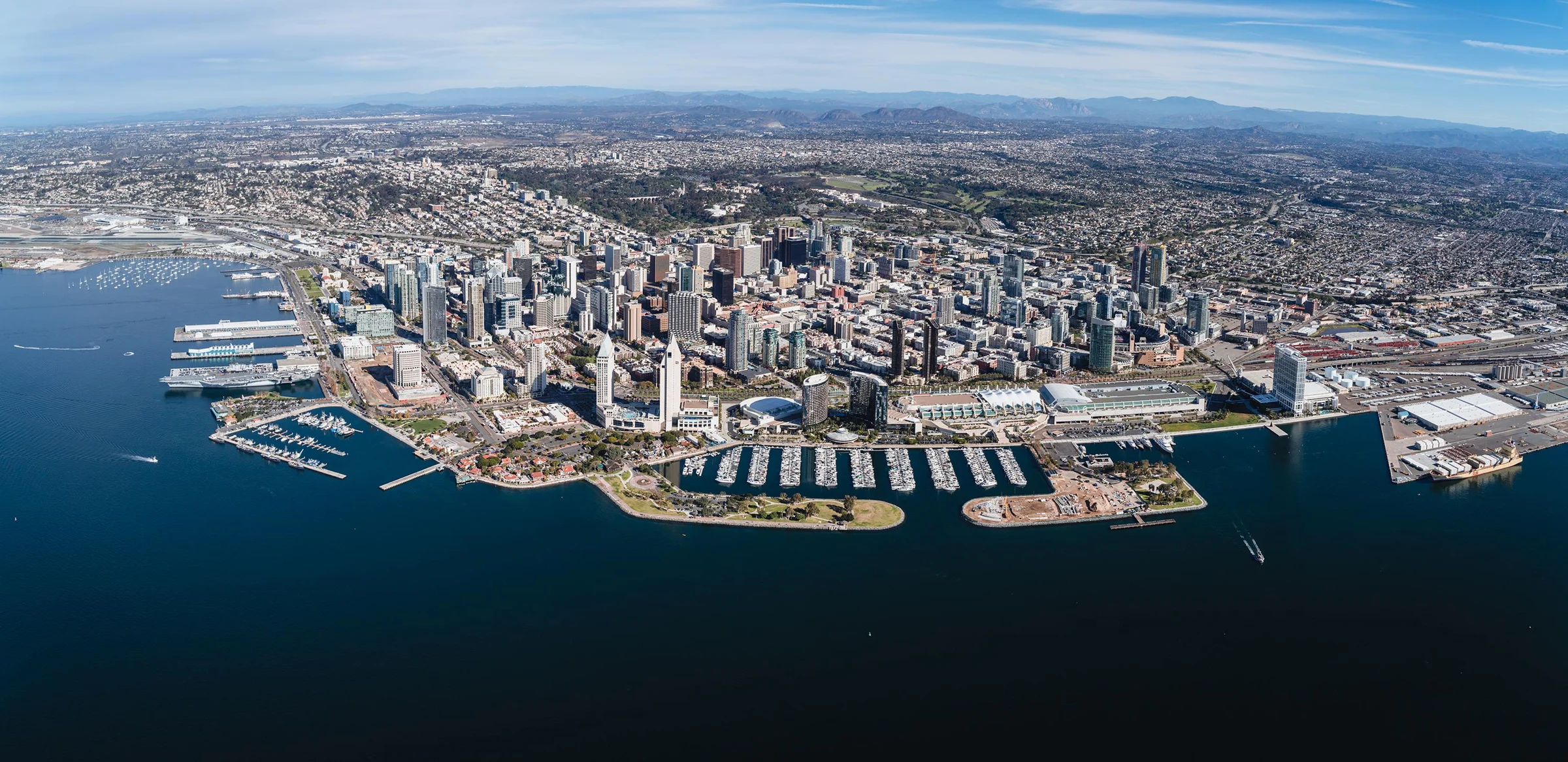
A practical roof scope tells the owner what is urgent, what can wait, what needs testing, and which details change the budget.
San Diego roof work should account for marine air, reflective roof requirements, tenant operations, drainage, and rooftop service traffic.
Photos tied to roof areas, drains, penetrations, and sheet metal
Repair, coating, recover, replacement, and maintenance paths separated
Access, staging, tenant notices, work hours, and daily dry-in reviewed