


REIT Roofing Services work in San Diego starts with roof condition, access, drainage, existing assembly, occupant impact, and whether repair, restoration, maintenance, or replacement is the practical next step.
Request a quoteCommercial roof scope, inspection, access planning, and documentation for commercial real estate & reits.
San Diego's commercial real estate market is driven by defense contractors, life sciences, and a robust tourism economy, and institutional ownership of office, industrial, and retail product is concentrated among some of the largest REITs operating in California. Kilroy Realty, one of the premier West Coast office and life sciences REITs, has a significant presence in San Diego's UTC, Del Mar, and Sorrento Mesa submarkets, where its Class A office and laboratory campuses represent billions of dollars in asset value. For roofing contractors, Kilroy-owned product represents the upper tier of quality expectation, these are buildings where roof failures interrupt laboratory operations, compromise sensitive research equipment, and create liability exposure that far exceeds the cost of the repair itself.
Multi-property preferred vendor programs are the standard procurement model for REITs like Kilroy operating San Diego portfolios. These programs require contractors to be pre-qualified on insurance, bonding capacity, safety record, and technical certifications before any work is awarded. In practice, a preferred vendor for a life sciences REIT in San Diego needs to demonstrate familiarity with rooftop mechanical equipment coordination, clean-room adjacent waterproofing standards, and the specific wind-uplift requirements that govern San Diego's coastal locations. Contractors who can demonstrate competence across all three and present a service model grounded in the REIT's asset management reporting calendar have a genuine advantage over competitors who simply show up with a low bid.
California's Title 24 energy code is a constant factor in San Diego roofing decisions. Every significant roofing project, re-roofing, new construction, or tenant improvement with rooftop mechanical changes, triggers Title 24 compliance review, which may require upgrades to roof insulation R-value, cool-roof surface reflectance, or both. For REIT asset managers planning CAPEX budgets, Title 24 compliance costs must be built into every roofing project estimate as a baseline, not treated as an unexpected add-on. The practical effect is that roofing projects in San Diego typically cost 15 to 25 percent more than comparable work in non-Title 24 jurisdictions, and REITs that fail to account for this in their acquisition underwriting often face reserve shortfalls at the capital planning stage.
Seismic resilience is another San Diego-specific concern that affects roofing program design. San Diego sits on the intersection of multiple fault systems, and large rooftop mechanical equipment, HVAC units, cooling towers, and rooftop solar arrays, must be seismically anchored in compliance with California Building Code requirements. For REIT asset managers conducting PCAs prior to acquisitions, rooftop equipment anchorage is a standard line item in the structural review. Deficient anchorage found pre-close translates directly into negotiated price credits; the same deficiency found post-close becomes a capital expense that was not in the underwriting model.
Net operating income protection in San Diego's life sciences segment depends heavily on roof integrity. Laboratory tenants operate with expensive equipment, biological samples, and research timelines that cannot accommodate water intrusion events. A single roof leak that damages a biotech tenant's centrifuge equipment or contaminates a cell culture lab can generate a landlord liability claim that dwarfs the cost of the roofing work that would have prevented it. Kilroy and similar REITs have learned this lesson and invest in aggressive preventive maintenance programs, typically two full inspections per year plus post-storm response, that are priced into the property-level NOI model from acquisition underwriting through disposition.
Ten-year CAPEX models for San Diego REIT portfolios require careful attention to the differentiation between coastal and inland properties. Properties within two miles of the Pacific Ocean, including assets in Torrey Pines, La Jolla, and the bay-facing Mission Valley corridor, experience significantly higher rates of metal corrosion, sealant degradation, and fastener oxidation than inland properties in Mira Mesa or Kearny Mesa. These coastal premium maintenance costs should be modeled separately in portfolio CAPEX forecasts, with higher annual maintenance allocations and shorter assumed useful-life horizons for exposed metal components. REITs that apply uniform inland assumptions to coastal assets routinely discover reserve shortfalls at the five-year asset review.
Property condition assessments in San Diego must account for the seismic, coastal corrosion, and Title 24 factors simultaneously. A thorough PCA on a Sorrento Mesa laboratory campus might identify Title 24 non-compliance on the existing roofing assembly, inadequate seismic restraint on rooftop cooling towers, and early-stage corrosion on aluminum coping caps, three distinct cost categories that each require separate contractor scopes and permitting pathways. Buyers relying on PCA firms without deep San Diego market knowledge miss the interaction between these factors and underestimate the true cost of bringing a property into compliant, market-standard condition.
Investor reporting for San Diego REIT portfolios increasingly includes sustainability metrics that intersect directly with roofing. Cool-roof compliance, rooftop solar readiness, and energy use intensity benchmarks are reported to LP advisory boards and disclosed in REIT sustainability reports. Asset managers need roofing condition data that can be mapped to these sustainability reporting frameworks, which means contractors providing San Diego REIT services must be prepared to deliver documentation in formats that satisfy not just maintenance tracking but ESG disclosure requirements. This reporting evolution is creating a competitive advantage for contractors who invest in technology-enabled reporting platforms over those who still deliver handwritten inspection forms.
San Diego's commercial roofing market rewards specialization. REITs operating life sciences, defense, and tech-adjacent office product in this market want contractors who understand not just membrane installation but the full ecosystem of compliance, documentation, and risk management that surrounds institutional-grade roofing programs. Contractors who position themselves as roofing asset management partners, bringing knowledge of Title 24, seismic requirements, coastal maintenance premiums, and ESG reporting needs, are winning the long-term preferred vendor relationships that define sustainable business growth in this market.
REIT Roofing Services roof planning connects coastal metal exposure, building operations, tenant communication, and budget timing so the scope fits the way the property is used.
Start a Request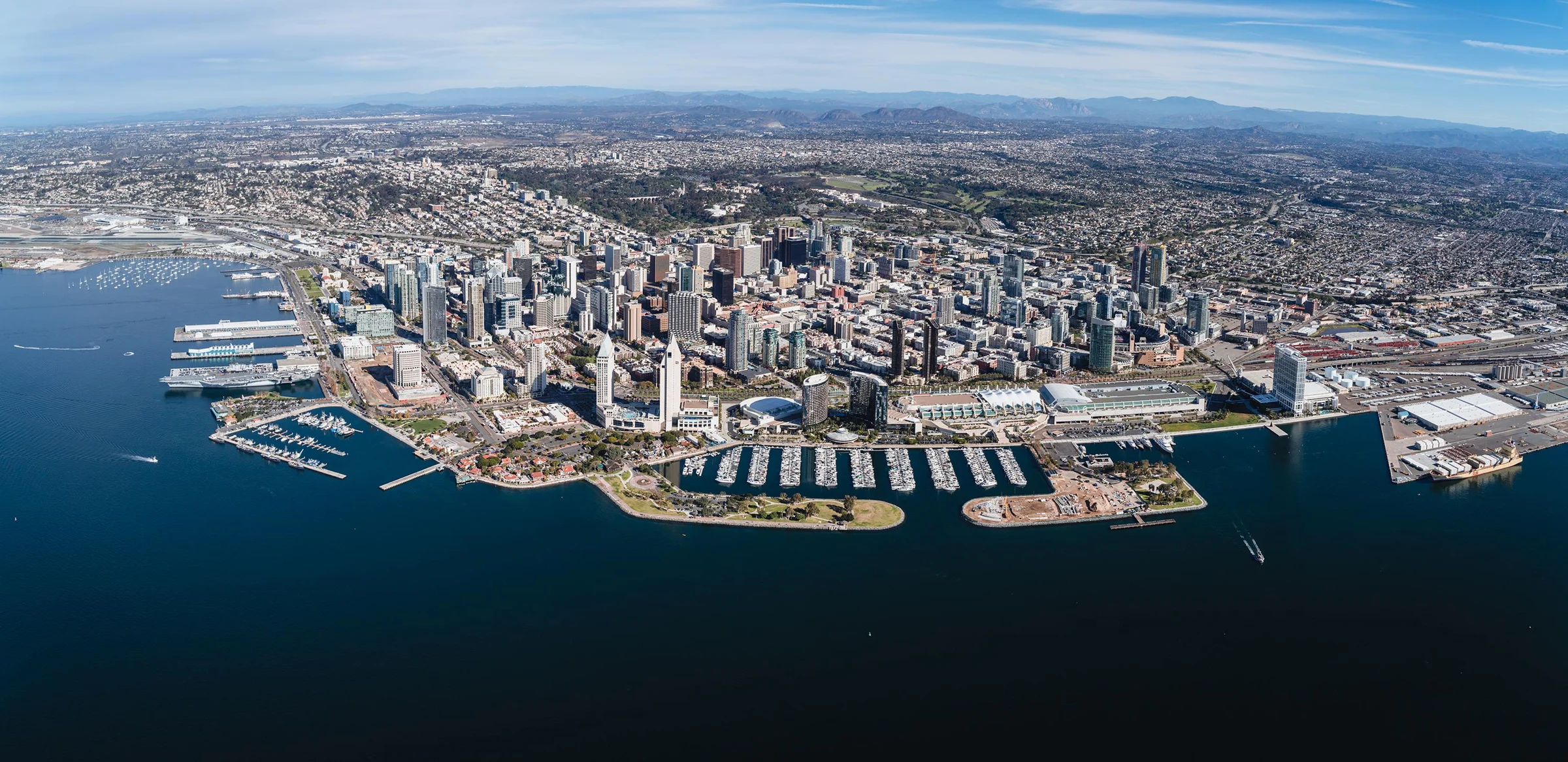
A practical roof scope tells the owner what is urgent, what can wait, what needs testing, and which details change the budget.
San Diego roof work should account for marine air, reflective roof requirements, tenant operations, drainage, and rooftop service traffic.
Photos tied to roof areas, drains, penetrations, and sheet metal
Repair, coating, recover, replacement, and maintenance paths separated
Access, staging, tenant notices, work hours, and daily dry-in reviewed