

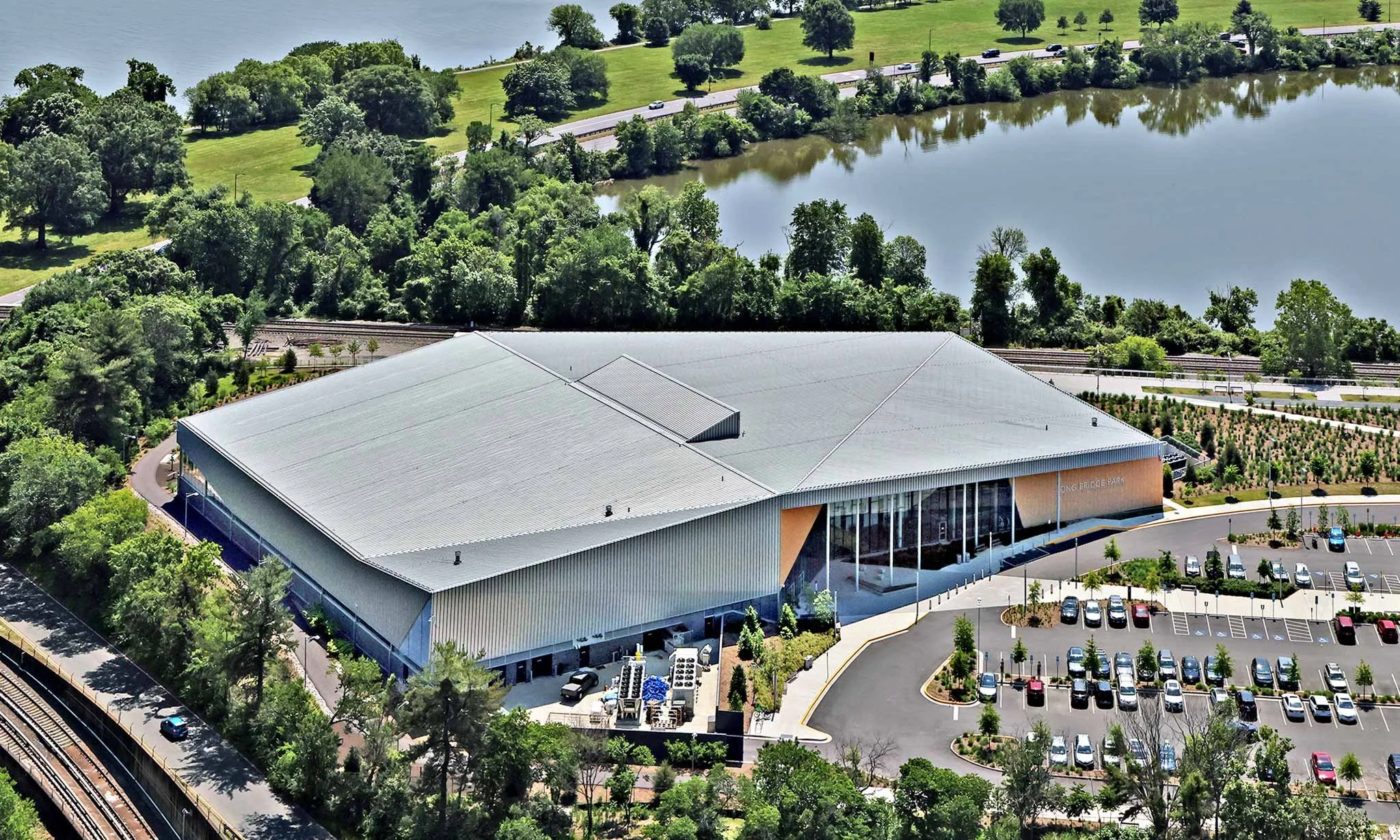
Fitness Center & Gym Roofing work in San Diego starts with roof condition, access, drainage, existing assembly, occupant impact, and whether repair, restoration, maintenance, or replacement is the practical next step.
Request a quoteFitness Center & Gym Roofing in San Diego, CA, commercial roofing for fitness center & gym roofing properties.
San Diego is an active-lifestyle city, and the gym landscape reflects it, big-box clubs anchoring retail centers in Mission Valley and Kearny Mesa, boutique studios filling storefronts in North Park and Hillcrest, climbing gyms and CrossFit boxes converted out of industrial bays in Miramar and Sorrento Valley, and full-service health clubs with pools serving Carmel Valley and the suburban communities. They look nothing alike, but from the roof down they share two traits: large open spans with no interior columns to lean on, and far more rooftop mechanical equipment than the footprint would suggest. Get either one wrong and the building tells you fast.
The span is the structural story. A training floor or a basketball court needs to be column-free, so the deck carries longer and flexes more than a comparable retail or office roof. That changes the fastener pattern and the uplift calculation, and on the converted industrial gyms east of I-805 it means we are often working over older steel deck or pre-engineered framing that was never designed around the loads a packed gym now puts on it. We confirm deck type and pull-out before settling on an attachment system rather than carrying a retail assumption onto a long-span building.
A gym moves a lot of air. High-occupancy training floors, group-exercise studios, spin rooms, and locker rooms each carry their own ventilation, and the rooftop ends up crowded with supply units, exhaust fans, and make-up air equipment. The penetration count per thousand square feet on a fitness roof typically runs two to three times what a standard retail box of the same size carries, and every one of those curbs and pipe boots is a place water can find its way in. We document every curb, its height, and its clearance during the walk, and we raise or rebuild the undersized curbs, a common defect on older clubs, so the new membrane meets the manufacturer's height requirement instead of failing inspection.
The clubs with pools, steam rooms, hot tubs, and big shower banks generate an interior moisture load most owners never connect to their roof until a leak appears. That warm, humid air rises and pushes vapor up into the roof assembly from below, and if the vapor retarder is missing or positioned wrong for San Diego's coastal climate zone, the moisture condenses inside the insulation and quietly destroys its R-value over a few seasons. We treat vapor drive as part of the assembly design on any facility with wet areas, reviewing where the retarder sits and specifying the right build-up, rather than counting on a tight top membrane to solve a problem that originates underneath it. For clubs with pool enclosures, a fully adhered sixty-mil TPO or PVC eliminates the fastener penetration field and gives a more vapor-resistant assembly than mechanical attachment.
Plenty of San Diego gyms run 24 hours, and even the ones that do not open at 5 a.m. and close near midnight, seven days a week. There is no overnight window to lean on the way a single-shift office gives you. We coordinate the work schedule with the facilities team up front: crew start times and noise limits near occupied locker rooms get documented, tear-off and dry-in windows are confirmed in writing each day, and the manager gets a daily status so they can verify the roof is watertight before the next wave of members arrives. For clubs with pools, we plan any exhaust or make-up air penetration work around the pool-operations schedule so air quality stays within the state's standards for commercial swimming facilities.
Interior vapor drive from wet areas needs a vapor retarder positioned correctly inside the roof assembly for San Diego's coastal climate zone, not just a well-installed top membrane. We review the existing insulation and retarder position before specifying the reroof. Get this wrong and trapped moisture wipes out the insulation's R-value within a few seasons.
For clubs with pool enclosures or steam rooms, fully adhered sixty-mil TPO or PVC is preferred, adhering the membrane removes the fastener penetration field and builds a more vapor-resistant assembly. For dry facilities without wet areas, sixty-mil TPO mechanically attached is appropriate and more economical.
We coordinate the schedule with the facilities team before mobilizing. Tear-off and dry-in windows are confirmed in writing daily, the manager gets a status report to verify watertight protection before the next operating cycle, and crew start times and noise limits near occupied locker rooms are documented in the preconstruction plan.
Yes, that is standard scope on a fitness roof. We document every curb, size, and clearance height before pricing, and undersized curbs, common on older gyms, are raised or replaced so the new membrane meets the manufacturer's curb-height requirement for warranty.
A typical gym closeout includes the building permit and final inspection certificate, manufacturer warranty registration, a roof zone diagram with penetration inventory, the drain and flashing inspection record, and photo documentation of completed details. Chain operators get it formatted to match their corporate facility-management system.
Fitness Center & Gym Roofing needs a roof scope that respects access, interior protection, rooftop equipment, drainage paths, and work-hour limits for that facility type.
Start a Request
A practical roof scope tells the owner what is urgent, what can wait, what needs testing, and which details change the budget.
San Diego roof work should account for marine air, reflective roof requirements, tenant operations, drainage, and rooftop service traffic.
Photos tied to roof areas, drains, penetrations, and sheet metal
Repair, coating, recover, replacement, and maintenance paths separated
Access, staging, tenant notices, work hours, and daily dry-in reviewed