

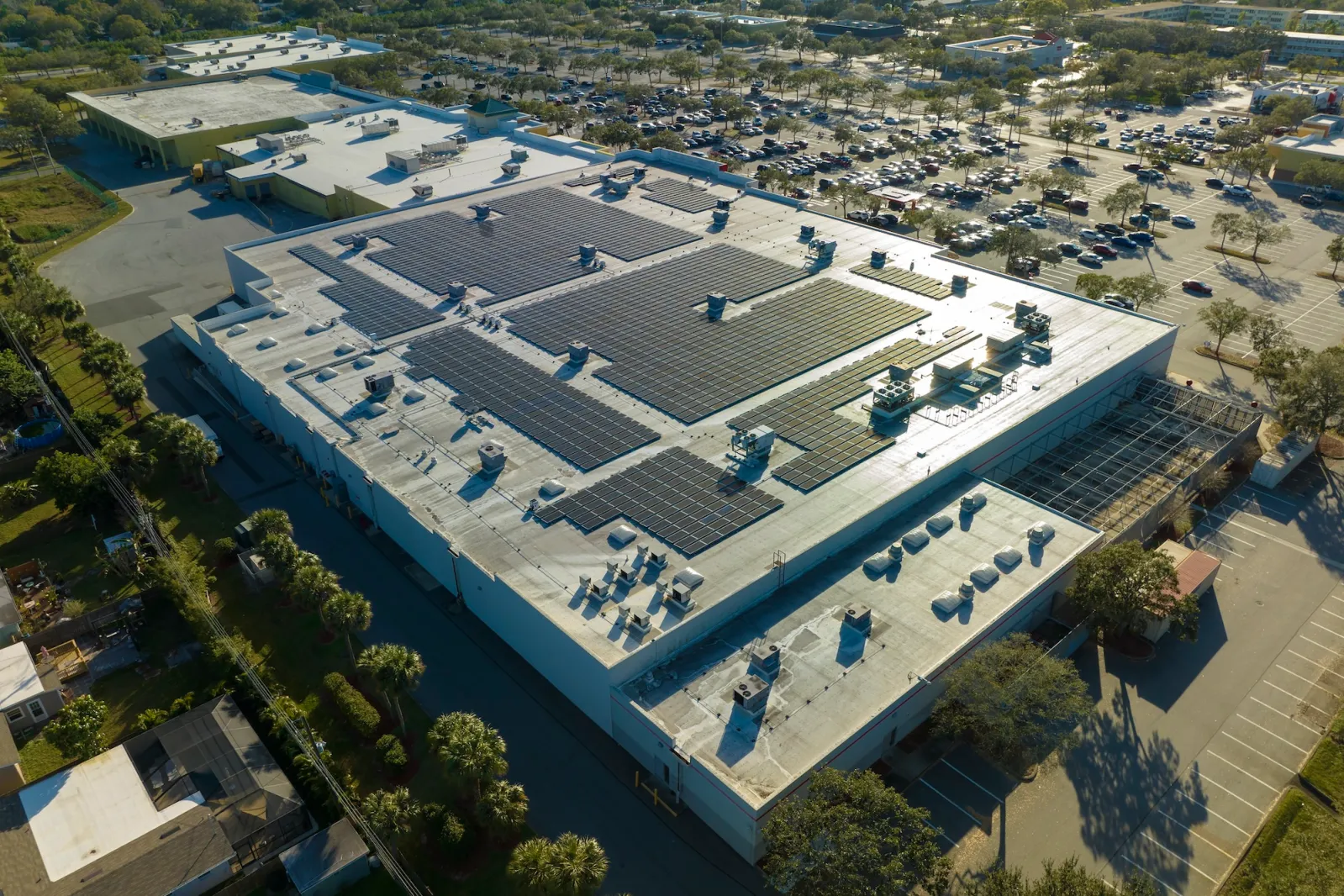
DST Roofing Services work in San Diego starts with roof condition, access, drainage, existing assembly, occupant impact, and whether repair, restoration, maintenance, or replacement is the practical next step.
Request a quoteCommercial roof scope, inspection, access planning, and documentation for commercial real estate & reits.
Delaware Statutory Trust sponsors acquiring commercial properties in San Diego face a due diligence landscape that is more technically demanding than many out-of-state teams anticipate. The city's proximity to the Pacific introduces marine layer moisture that infiltrates roofing systems through micro-cracks and inadequately sealed penetrations, accelerating membrane degradation in ways that are invisible on a standard walkthrough but consequential over a seven-to-ten-year DST hold period. At the same time, San Diego's seismic exposure, classified as a high-hazard zone under California building codes, means that roofing flashings and parapet connections are structural concerns as well as weatherproofing ones. A DST sponsor in Chicago or Dallas acquiring a San Diego industrial, life sciences, or multi-tenant office property remotely needs a local commercial roofing partner who can evaluate both the moisture risk and the seismic compatibility of the existing roof system and translate those findings into credible reserve projections for the offering memorandum.
The 1031 exchange timeline is unforgiving regardless of market, and San Diego adds California-specific permitting complexity on top of the standard schedule pressure. When a sponsor's 45-day identification window is running, there is no time for a roofing contractor who takes a week to get on the property and another two weeks to write the report. Our San Diego team has calibrated its workflow to 1031 urgency. We can schedule a commercial inspection within 24 to 48 hours of engagement, complete thermal imaging and core sampling where the condition indicates, and deliver a written report formatted for securities counsel and underwriter review within two to three business days. We understand that our findings will land on the desks of attorneys and equity placement agents who need precision, not approximation, and we write accordingly.
Reserve modeling for San Diego DST offerings must account for cost structures that are materially higher than national averages. California labor rates, prevailing wage requirements on certain project types, and the logistics of working in dense urban corridors near the I-5 and I-805 all push roofing costs above what a sponsor might budget based on national benchmark data. When offering memorandum reserves are set using non-California cost assumptions, the sponsor risks a scenario where actual replacement costs significantly exceed the funded reserve, a situation that can compress distributions, trigger investor inquiries, and expose the sponsor to securities liability. Our reserve projections use current San Diego-area labor and material pricing, reflecting the actual cost environment that the property will face during its hold period.
San Diego's life sciences and biotech sector has produced a category of DST acquisition that requires particular attention: laboratory and research buildings with specialized HVAC systems that penetrate the roof at unusually high density. Every penetration is a potential point of failure, and in a marine environment, inadequately flashed mechanical penetrations are among the most common sources of moisture infiltration in commercial buildings. When we inspect a life sciences building for a DST sponsor, we document every penetration, assess the condition of each flashing and collar, and note any deferred maintenance that could introduce moisture risk within the hold period. For sponsors acquiring lab-to-commercial conversion properties in the Torrey Pines or Sorrento Valley corridors, this level of detail is not optional, it is the difference between a clean acquisition and an early-hold capital event.
Seismic considerations are woven into every roofing inspection we conduct in San Diego. The connection between the roof structure and the building's lateral force-resisting system is a point that general property inspectors often overlook but that becomes critical in a seismic event. Parapet walls, which are common on older flat-roof commercial buildings throughout San Diego, can fail in ways that damage the roofing membrane and create safety and liability issues simultaneously. We evaluate parapet conditions, anchorage integrity, and rooftop equipment seismic bracing as part of every commercial inspection, and we note any items that California code compliance would require to be addressed in the event of a re-roofing project. DST sponsors who understand this exposure can fund CAPEX reserves that reflect the real cost of seismically compliant roofing work in California.
The passive investor structure of a DST means that hold-period maintenance must function without a responsive property manager empowered to authorize expenditures. In San Diego, where a marine layer moisture event or an unexpected wind-driven rain from a winter Pacific storm can cause sudden roof damage, the response protocol needs to be established and credentialed before any emergency occurs. We work with DST sponsors at or before closing to document the roof system, establish pre-authorized response parameters, and ensure that our team has the site access and notification protocols in place so that emergency work can begin without bureaucratic delay. The tenant experiences minimal disruption, the distribution stream is protected, and the sponsor's asset management records show a professional, documented response.
San Diego's industrial and logistics sector has drawn DST sponsors attracted to the market's proximity to the port and the cross-border logistics economy. Older industrial buildings in the Otay Mesa and National City submarkets often have metal roof panels that have experienced decades of coastal salt exposure and UV degradation. These systems require a different inspection methodology than membrane roofing, including fastener integrity checks and panel overlap assessments that general inspectors rarely perform. Our team has direct experience with industrial metal roofing in coastal California markets and provides the specialized assessments that DST underwriters need for these asset types.
We also provide updated condition reports for DST sponsors approaching disposition. A professionally documented roof condition at the time of sale reduces buyer-side negotiating leverage, supports asking price, and accelerates the transaction timeline by pre-populating the data room with information buyers will request anyway. Sponsors who have maintained their San Diego assets with documented annual inspections and addressed issues proactively arrive at disposition in a position of strength. We can provide both the updated report and the maintenance history in the format that transaction counsel and the acquiring sponsor's due diligence team expect.
If you are a DST sponsor underwriting a San Diego acquisition or managing an existing DST asset through its hold period, contact us now. We work on the timelines that 1031 exchanges and passive investor structures demand, and our local expertise in San Diego's marine, seismic, and regulatory environment ensures that our findings are both technically accurate and commercially useful. Send us the property address and your due diligence deadline and we will have a scope and schedule to you within hours.
DST Roofing Services roof planning connects coastal metal exposure, building operations, tenant communication, and budget timing so the scope fits the way the property is used.
Start a Request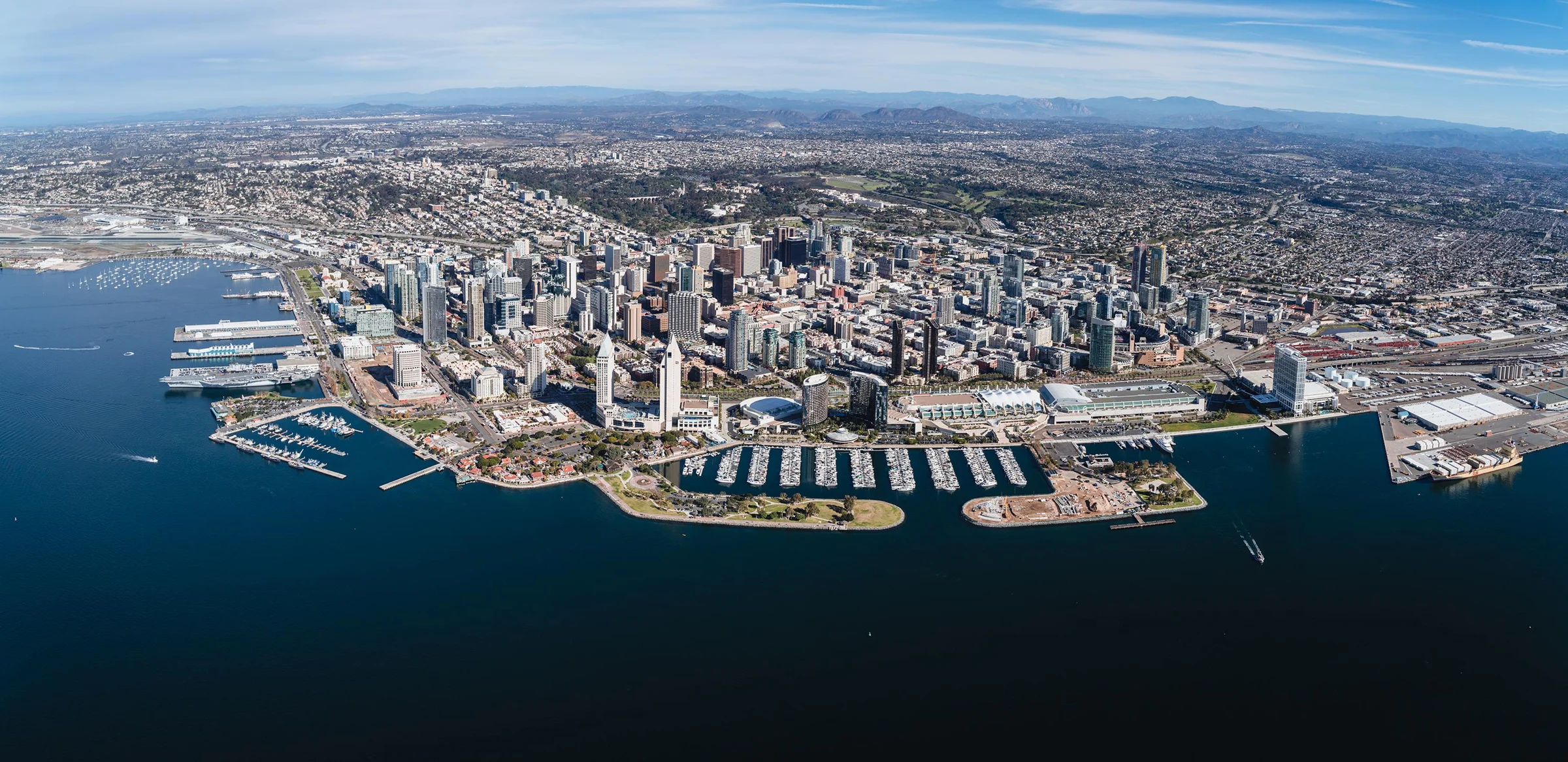
A practical roof scope tells the owner what is urgent, what can wait, what needs testing, and which details change the budget.
San Diego roof work should account for marine air, reflective roof requirements, tenant operations, drainage, and rooftop service traffic.
Photos tied to roof areas, drains, penetrations, and sheet metal
Repair, coating, recover, replacement, and maintenance paths separated
Access, staging, tenant notices, work hours, and daily dry-in reviewed