


A service agreement keeps the building claims-ready: scheduled visits, dated photo records, small repairs handled early, and a contractor who already knows the roof when the weather turns.
Request an agreement quoteThe first question an insurance adjuster asks after storm damage is rarely about the storm. It is about the roof before the storm: when was it last serviced, what condition was it in, and can you prove it. A roof service agreement answers all three before anyone has to ask.
Our agreement puts two scheduled service visits on your roof every year. Each visit produces dated photographs of the membrane, flashings, penetrations, and drainage, plus a written condition report. That file becomes your pre-loss baseline. When a claim is filed, it separates what the weather did from what time did — which is exactly the line carriers argue about.
San Diego claims turn on that distinction more than most markets. Wind-driven rain from a Pacific storm, uplift at the edge metal during a Santa Ana event, corrosion working on coastal fasteners — an adjuster can attribute any of them to long-term wear unless the record shows the roof was sound and serviced going into the event.
Policies exclude damage caused by neglect, and deferred maintenance is the phrase that shows up in denial letters. The agreement closes that door two ways: the visits themselves — drains cleared, sealant renewed, lifted flashings re-secured, small membrane repairs made on the spot — and the paper trail proving the work happened. A documented minor repair in March is a very different fact at claim time than an undocumented problem discovered in December.
Agreement holders get priority emergency response, ahead of the general call list, and the response is faster in a second way: the crew arrives already knowing the roof. Because the condition file exists, damage scoping starts from evidence instead of memory — before-and-after photographs of the same details — and the repair scope we assemble reflects the roof's actual pre-loss state. If a full insurance claim follows, that documentation flows straight into it.
The two visits are timed to the calendar that matters here: one after the rainy months, cataloguing what the storms left behind, and one late in the dry season, so the roof is documented, cleared, and sealed before the next round of weather arrives. Between them, the agreement carries a fixed annual price, one roof file per covered building, and warranty-compliant maintenance records as a byproduct.
If you own or manage commercial property in San Diego, get the baseline on record before you need it. Call 619-679-9825 or start a request through the contact page and we will schedule the first documented walk.
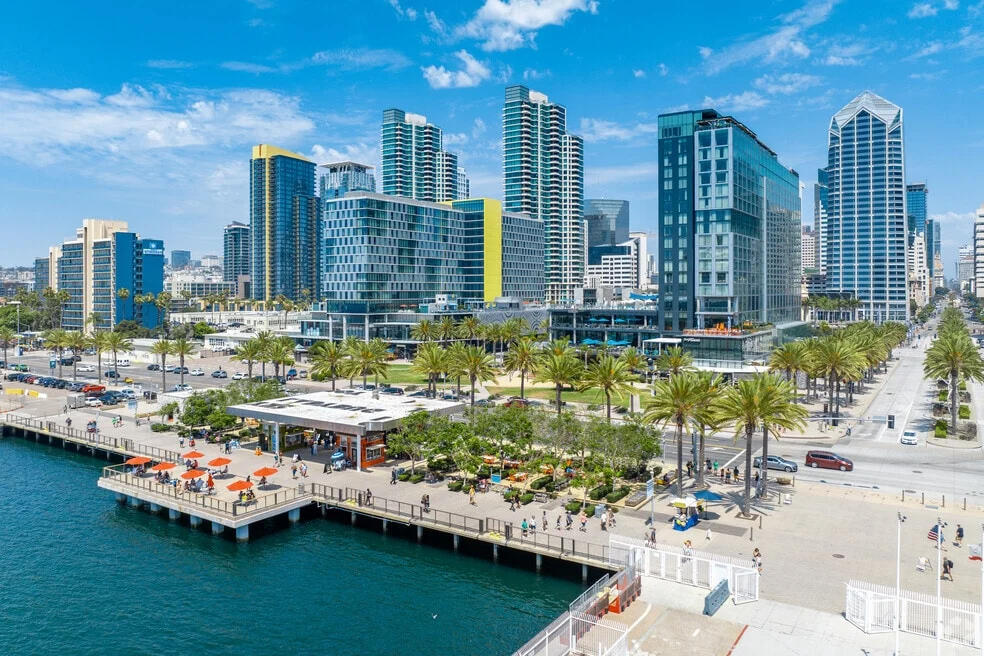
Adjusters weigh evidence. Two documented visits a year, with photographs tied to drains, flashings, and field seams, give a San Diego building the pre-loss record a claim stands on.
Start a Request
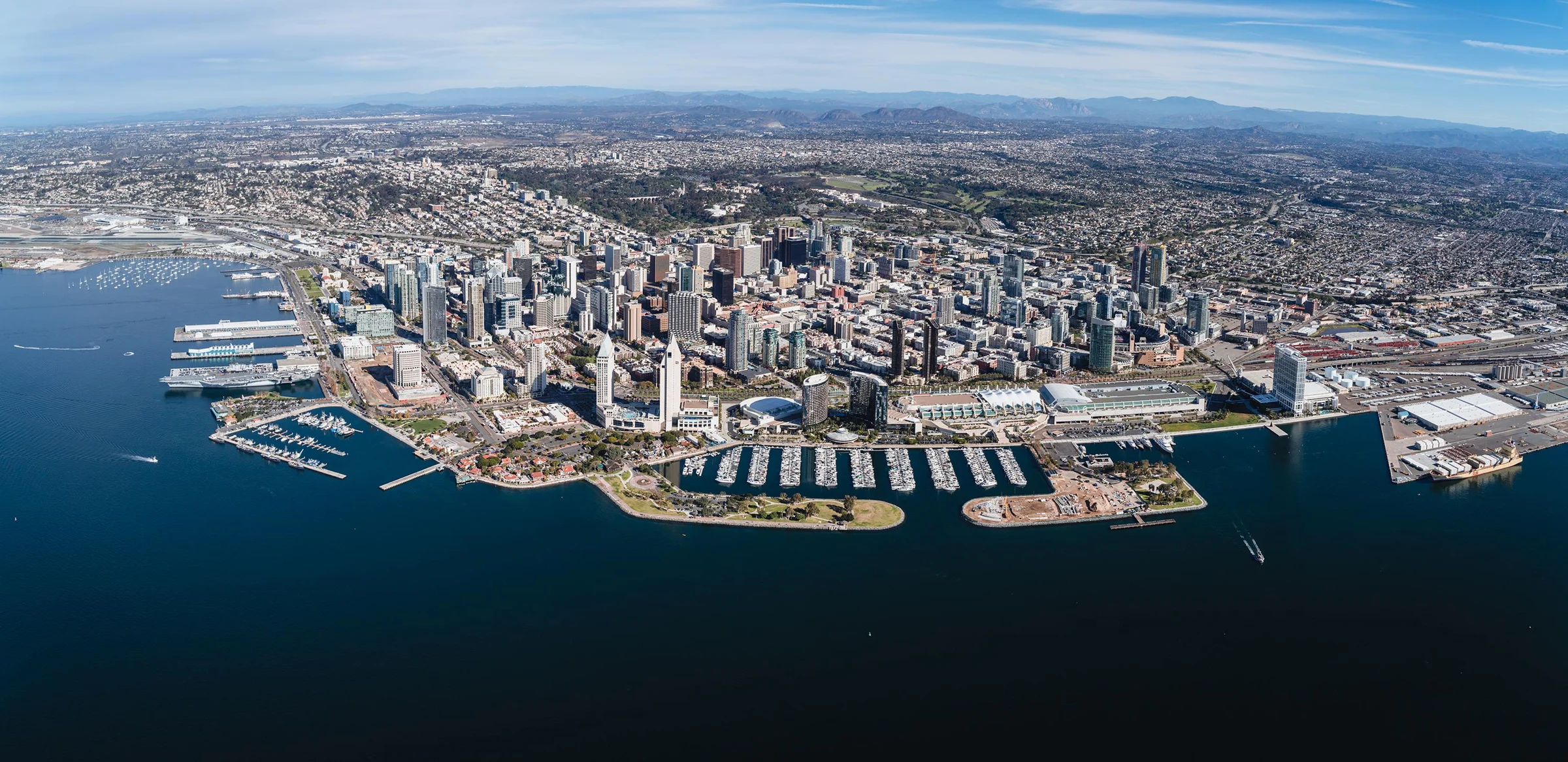
A claim file that starts on the day of the storm is already behind; the strongest claims start with the maintenance record that preceded them.
Coastal metal, rooftop equipment traffic, and wind-driven rain each leave distinct marks — documented visits keep those histories separate and provable.
Dated photos tied to drains, seams, flashings, and edge metal
Small repairs completed and logged during every scheduled visit
Priority dispatch and claim-ready documentation when weather hits