

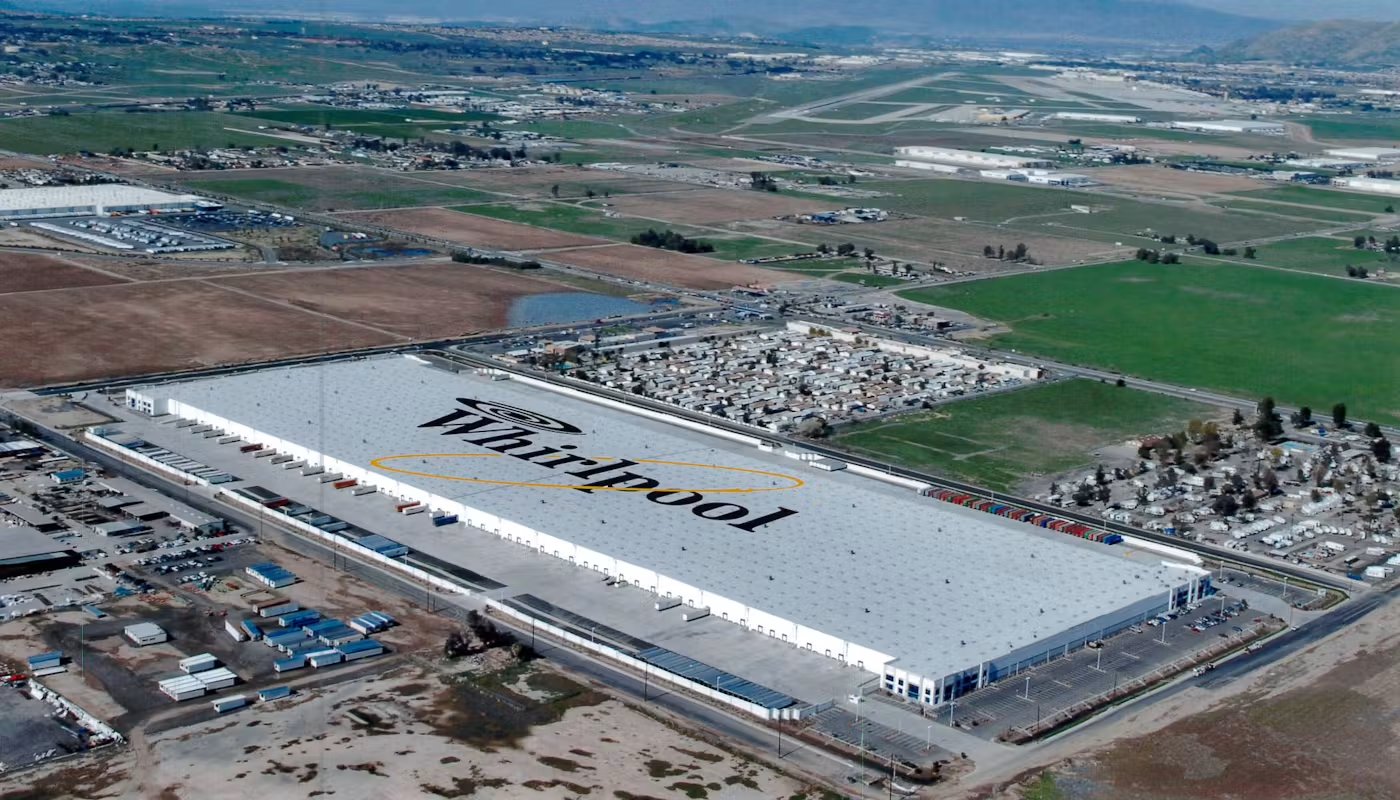
Logistics & 3PL work in San Diego starts with roof condition, access, drainage, existing assembly, occupant impact, and whether repair, restoration, maintenance, or replacement is the practical next step.
Request a quoteCommercial roof scope, inspection, access planning, and documentation for logistics & 3PL.
For logistics & 3PL, the roof decision often moves through procurement, facilities, operations, and asset management before work is released. North County cities such as Poway, Rancho Bernardo, San Marcos, Carlsbad, Oceanside, and Escondido include light industrial, life-science, office, retail, and municipal commercial roof demand; Otay Mesa is San Diego's cross-border trade and logistics district, with International Business and Trade land use covering office, research and development, light manufacturing, storage, and distribution; California Title 24 energy rules and cool-roof standards affect low-slope nonresidential reroofing, recover, recoating, reflectance, thermal emittance, and product documentation. We document field conditions in language that those groups can compare without guessing what a contractor meant.
The first visit for roofing for logistics & 3PL is a condition walk. We photograph seams, laps, curbs, drains, scuppers, edge metal, coping joints, wall transitions, roof hatches, rooftop units, service paths, and previous repairs so the written scope can be checked against the roof instead of against memory.
San Diego buildings make roofing for logistics & 3PL more varied than the climate looks from the street. A downtown office roof, an Otay Mesa logistics roof, a Kearny Mesa service building, a Sorrento Mesa lab, a Mission Valley retail center, and a coastal hotel all put different limits on staging, odor, pedestrian protection, and work hours.
Drainage gets special attention. Long dry periods can hide blocked strainers, crushed insulation, open pitch pockets, and old patch edges until the first strong winter storm drives water toward a weak point. We map drains and scuppers before assuming the stain below is directly under the roof opening.
Marine exposure matters even when the building is not directly on the sand. Salt air near San Diego Bay, Point Loma, Pacific Beach, La Jolla, Coronado, Imperial Beach, Carlsbad, and Oceanside can age exposed fasteners, gutters, coping, metal panels, rooftop equipment, and coating prep faster than inland owners expect.
Heat and UV are part of the same decision. Reflective membranes and coatings can be useful, but they are not a shortcut around wet insulation, poor adhesion, brittle flashings, or bad slope. For roofing for logistics & 3PL, we look at Title 24 implications, product data, existing roof condition, and the maintenance record before recommending a cool-roof path.
Occupied-building planning is written into the scope. We identify ladder or hatch access, crane or material-hoist needs, loading areas, parking impacts, security check-in, tenant notices, noise limits, odor concerns, interior protection, and the time of day when the roof must be watertight again.
Budget clarity comes from separating choices. A proposal for roofing for logistics & 3PL should not blur leak control, restoration prep, recover assumptions, metal replacement, drain work, insulation, cover board, temporary dry-in, warranty assumptions, and alternates into one vague line item. We show the work so bids can be compared.
Moisture investigation is often the difference between a practical repair and a bad recover. If the roof has ponding, soft insulation, blistered asphalt, failed laps, saturated cover board, or chronic leaks around rooftop equipment, we call for testing before a coating or overlay is treated as a long-term answer.
Sheet metal is part of the roof system. Coping, counterflashing, edge securement, gutters, scuppers, conductor heads, fascia, wall panels, and expansion joints influence whether roofing for logistics & 3PL survives wind-driven rain, service traffic, and thermal movement.
Project phasing can protect the budget when replacement is not ready. We can isolate active leak areas, stabilize open details, clean and document drains, repair penetrations, price priority metal work, and create a capital plan for roof areas that should not be patched indefinitely.
Insurance-related work stays in the contractor lane. We can inspect, photograph, dry in, identify storm-related roof conditions, document scope, meet the carrier's construction questions, and price repair or replacement work, but we do not promise claim outcomes or act as a public adjuster.
Manufacturers and assemblies are chosen after the roof constraints are known. TPO, PVC, EPDM, KEE, modified bitumen, built-up asphalt, spray foam, silicone, acrylic, standing seam, and R-panel metal each have a place, but the right option for roofing for logistics & 3PL depends on deck, slope, access, traffic, chemicals, reflectance, and owner hold period.
Closeout is a field step, not just paperwork. We review repairs, membrane laps, coating termination, drains, scuppers, pitch pockets, metal edges, equipment curbs, cleanup, temporary protection, and maintenance priorities before the roof record is closed.
After the scope is written, the owner should know what is urgent, what can wait, what needs testing, what can be maintained, and what should be reserved for replacement. That is the practical value we bring to roofing for logistics & 3PL: a roof decision that can be defended when the next rain or budget meeting arrives.
For Logistics & 3PL, we keep the recommendation tied to the roof evidence. If a limited repair is rational, we define the limit. If the assembly is too wet, brittle, poorly drained, or patched to support another small scope, we say so in the roof file.
The practical test for Logistics & 3PL is whether the work will still make sense after the next wind-driven rain, after the next rooftop service call, and after ownership reviews the budget against other capital needs.
A San Diego roof scope should also account for California energy compliance, coastal metal exposure, tenant operations, security, and access. Those constraints can change product selection as much as membrane preference.
Before we price Logistics & 3PL, we separate immediate water control from capital work so a San Diego owner can make a decision without hiding risk in allowances.
The difference depends on wet insulation, deck condition, access, metal work, drainage, code requirements, and whether the building can stay open during work. We document immediate repair options separately from replacement or recover budgets so the decision is not forced by a vague proposal.
Often yes, but the scope has to account for noise, odor, loading, dust, tenant notices, pedestrian protection, security access, and daily dry-in. We discuss those limits before materials are ordered.
Marine air can accelerate exposed metal corrosion, while long dry periods can hide clogged drains and weak flashings until a winter storm arrives. We inspect edge metal, fasteners, gutters, scuppers, penetrations, and wall transitions with those conditions in mind.
Coating or recover work becomes risky when the roof has trapped moisture, poor adhesion, widespread ponding, brittle membrane, failed seams, bad slope, deck concerns, or metal details that would still leak after the surface is restored.
Inspection records normally include photos, roof-area notes, visible deficiencies, access constraints, drainage observations, moisture concerns, repair priorities, and budget direction. Larger scopes can include alternates and replacement triggers.
Logistics & 3PL roof planning connects coastal metal exposure, building operations, tenant communication, and budget timing so the scope fits the way the property is used.
Start a Request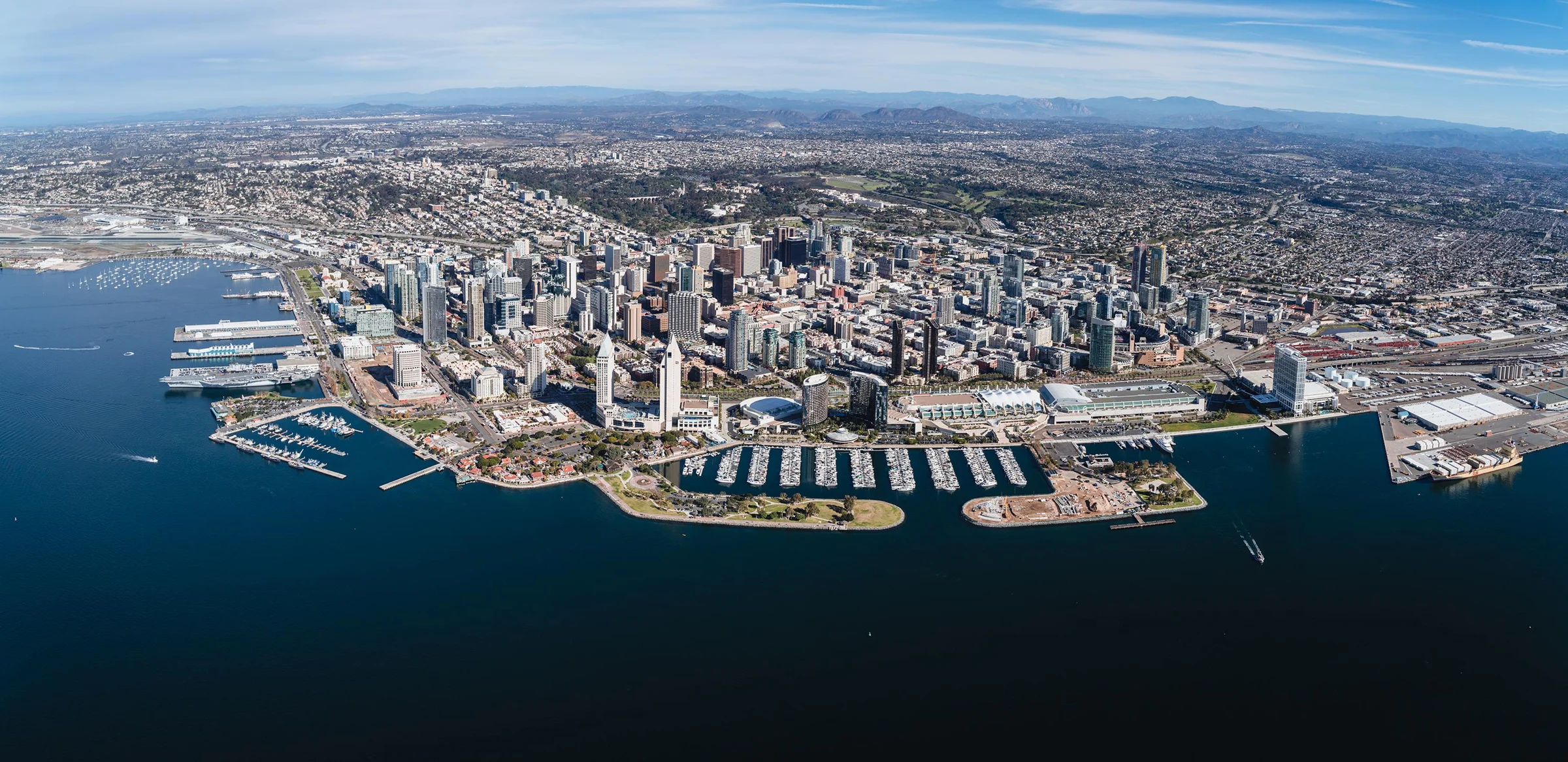
A practical roof scope tells the owner what is urgent, what can wait, what needs testing, and which details change the budget.
San Diego roof work should account for marine air, reflective roof requirements, tenant operations, drainage, and rooftop service traffic.
Photos tied to roof areas, drains, penetrations, and sheet metal
Repair, coating, recover, replacement, and maintenance paths separated
Access, staging, tenant notices, work hours, and daily dry-in reviewed